Polyclonal Antibodies
Anti-ADK Polyclonal Antibody for WB, IHC-P, IF/ICC, ELISA - P55263
Item Number : CM0013536
Price varies based on specs and customizations
- Application
- WB, IHC-P, IF/ICC, ELISA
- Cross Reactivity
- Human, Mouse, Rat
- Protein Weight
- 41kDa

Shipping:
Contact us to get shipping details Enjoy On-time Dispatch Guarantee.
Why Choose Us
Easy ordering process, quality products, and dedicated support for your business success.
Core Product Specifications and Parameters
| Parameter | Value |
|---|---|
| Product Name | ADK Rabbit pAb |
| Remarks/Alias | AK; ADK |
| Species | Human |
| GeneID (Human) | 132 |
| GeneID | 132 |
| Immunogen | Recombinant Protein|Recombinant fusion protein containing a sequence corresponding to amino acids 200-345 of human ADK (NP_001114.2). |
| Source | Rabbit |
| Category | Polyclonal Antibodies |
| Application | WB, IHC-P, IF/ICC, ELISA |
| Cross Reactivity | Human, Mouse, Rat |
| SWISS | P55263 |
| Protein Weight | 41kDa |
| Shipping | Ice bag |
Biological Background: ADK Function and Localization
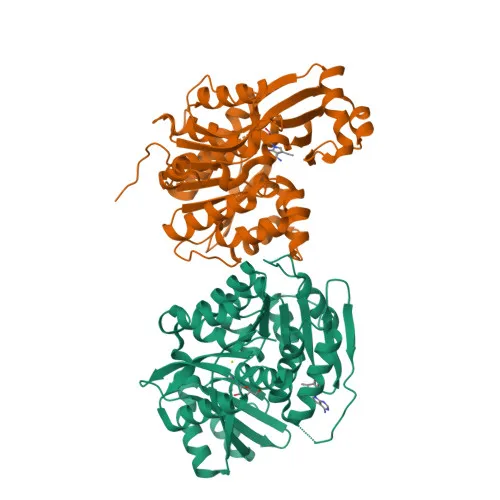
- Adenosine kinase (ADK) is a ubiquitously expressed enzyme that catalyzes the ATP-dependent phosphorylation of adenosine at the 5′-hydroxyl position, generating AMP and playing a central role in purine salvage and cellular adenosine homeostasis.
- ADK also phosphorylates modified nucleosides derived from RNA turnover, including N6‑methyladenosine (m6A), N6,N6‑dimethyladenosine (m6,6A), and N6‑isopentenyladenosine (i6A), converting them to monophosphate intermediates that are further detoxified by the enzyme MAPDA/ADAL, thereby preventing metabolic dysfunction caused by cytotoxic modified nucleosides (PubMed:40840445, PubMed:21963049, PubMed:6246102). Related references: PMID:21963049 PMID:40840445 PMID:6246102
- The protein belongs to the phosphotransferase family and contains conserved nucleotide‑ and metal‑binding motifs; its crystal structure has been determined (3‑D structure keyword), and it is known to undergo post‑translational modifications including acetylation and phosphorylation.
- Subcellular fractionation studies localize ADK predominantly to the cytoplasm and cytosol, with additional reported presence in the nucleus.
- Tissue expression profiling shows widespread distribution, with highest transcript and protein levels in placenta, liver, muscle, and kidney.
- Alternative splicing generates multiple transcript variants, and sequence variants in ADK have been catalogued in disease databases (UniProt keyword “Disease variant”), suggesting a potential role in pathological conditions.
Experimental Guidance and Technical Tips
- The immunogen used to generate this polyclonal antibody consists of a recombinant fusion protein spanning amino acids 200‑345 of human ADK (NP_001114.2), covering a C‑terminal region that is well conserved across human, mouse, and rat—consistent with the observed cross‑reactivity.
- For Western blotting, the predicted molecular weight of ADK is approximately 41 kDa; use appropriate molecular weight markers and validate the antibody in lysates from cells or tissues expressing ADK (e.g., liver, kidney).
- In immunohistochemistry (IHC‑P) and immunofluorescence (IF/ICC), consider using antigen retrieval methods and include controls such as pre‑immune serum or peptide blocking to confirm signal specificity.
- For ELISA applications, titrate the antibody and test against the recombinant immunogen or full‑length protein to determine optimal working concentrations.
- Because ADK is expressed in many tissues, including positive and negative controls (e.g., knockout cell lines or tissues with known low expression) is recommended when employing this antibody in any application.
CamelBio: Your One-Stop Sourcing Bridge
CamelBio serves as a comprehensive IVD raw‑material partner, offering validated antibodies, recombinant proteins, and ancillary reagents for diagnostic developers and research laboratories worldwide. This Anti‑ADK Polyclonal Antibody supports investigations into adenosine metabolism, RNA modification, and related disease mechanisms, and is part of CamelBio’s expanding portfolio for the IVD community. Whether you need bulk quantities of core reagents or assistance sourcing rare‑target antibodies, CamelBio streamlines your supply chain from concept to clinic.
REQUEST A QUOTE
Our professional team will reply to you within one business day. Please feel free to contact us!