Polyclonal Antibodies
Anti-ADGRL4 Rabbit Polyclonal Antibody for WB and ELISA - Q9HBW9
Item Number : CM0014869
Price varies based on specs and customizations
- Application
- WB, ELISA
- Cross Reactivity
- Human, Mouse, Rat
- Protein Weight
- 78kDa

Shipping:
Contact us to get shipping details Enjoy On-time Dispatch Guarantee.
Why Choose Us
Easy ordering process, quality products, and dedicated support for your business success.
Core Product Specifications and Parameters
| Parameter | Value |
|---|---|
| Product Name | ADGRL4 Rabbit pAb |
| Remarks/Alias | ETL; ELTD1; KPG_003; ADGRL4 |
| Species | Human |
| GeneID (Human) | 64123 |
| GeneID | 64123 |
| Immunogen | Recombinant protein|Recombinant fusion protein containing a sequence corresponding to amino acids 110-406 of human ADGRL4 (NP_071442.2). |
| Source | Rabbit |
| Category | Polyclonal Antibodies |
| Application | WB, ELISA |
| Cross Reactivity | Human, Mouse, Rat |
| SWISS | Q9HBW9 |
| Protein Weight | 78kDa |
| Shipping | Ice bag |
Biological Background: ADGRL4 Function and Localization
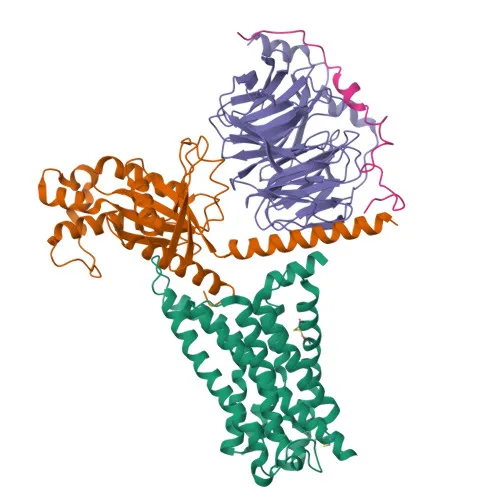
- ADGRL4, also known as ELTD1 or ETL, is an endothelial orphan adhesion G protein-coupled receptor that belongs to the latrophilin subfamily.
- It acts as a key regulator of angiogenesis, controlling new blood vessel formation during development and in pathological conditions.
- The protein localizes to the cell membrane, consistent with its role as a transmembrane receptor that transduces extracellular signals.
- ADGRL4 is detected in the majority of epithelial cells in both tumor and normal tissues, and is expressed in human umbilical vein endothelial cells.
- Structurally, it contains characteristic EGF-like domains, multiple transmembrane helices, a signal peptide, and is post-translationally modified by glycosylation and disulfide bonds.
- Keywords associated with Q9HBW9 include 3D-structure, calcium, cell membrane, EGF-like domain, G protein-coupled receptor, glycoprotein, and transducer.
Experimental Guidance and Technical Tips
- The immunogen corresponds to amino acids 110-406, covering the extracellular region rich in EGF-like domains; this design favors detection of the extracellular portion and may be suitable for native protein recognition.
- In Western blot (WB) under reducing conditions, a predominant band at approximately 78 kDa is expected, but consider that glycosylation or dimerization may shift the apparent molecular weight.
- For ELISA, test the antibody in both capture and detection formats using recombinant ADGRL4 protein as a positive control; optimize coating and dilution conditions experimentally.
- Though cross-reactivity with mouse and rat is indicated, verify by sequence alignment and preliminary tissue or cell line testing in your system.
CamelBio: Your One-Stop Sourcing Bridge
CamelBio provides diagnostic manufacturers and research institutes with one-stop access to IVD raw materials, including validated antibody pairs, optimized monoclonal and polyclonal antibodies, and bulk ancillary reagents. Our supply services extend to rare and emerging targets such as ADGRL4 for angiogenesis research, helping you bridge the gap from concept to clinic. Rely on our efficient sourcing capabilities and expert support to keep your projects moving forward.
REQUEST A QUOTE
Our professional team will reply to you within one business day. Please feel free to contact us!