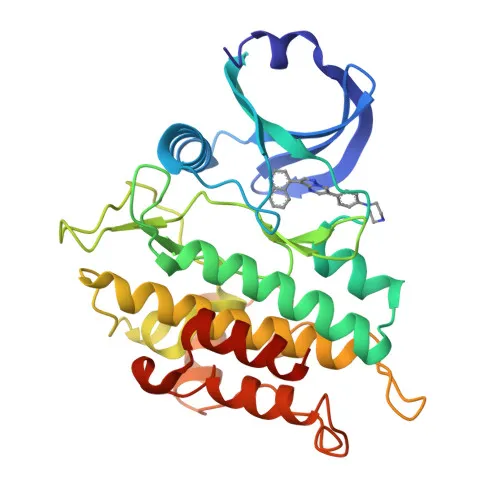
Monoclonal Antibodies
Anti-ACVRL1 Monoclonal Antibody for WB, IF/ICC, ELISA - P37023
Item Number : CM0009825
Price varies based on specs and customizations
- Application
- WB, IF/ICC, ELISA
- Cross Reactivity
- Human, Mouse, Rat
- Protein Weight
- 56kDa

Shipping:
Contact us to get shipping details Enjoy On-time Dispatch Guarantee.
Why Choose Us
Easy ordering process, quality products, and dedicated support for your business success.
Core Product Specifications and Parameters
| Parameter | Value |
|---|---|
| Product Name | ACVRL1 Rabbit mAb |
| Remarks/Alias | HHT; ALK1; HHT2; ORW2; SKR3; ALK-1; TSR-I; ACVRLK1; ACVRL1 |
| Species | Human |
| GeneID (Human) | 94 |
| GeneID | 94 |
| Immunogen | Synthetic Peptide: A synthetic peptide corresponding to a sequence within amino acids 404-503 of human ACVRL1 (P37023). |
| Source | Rabbit |
| Category | Monoclonal Antibodies |
| Application | WB, IF/ICC, ELISA |
| Cross Reactivity | Human, Mouse, Rat |
| SWISS | P37023 |
| Protein Weight | 56kDa |
| Shipping | Ice bag |
Biological Background: ACVRL1 Function and Localization
- ACVRL1 (Activin receptor-like kinase 1, ALK-1) is a type I receptor for TGF-beta superfamily ligands, primarily binding BMP9/GDF2 and BMP10, and plays a critical role in regulating angiogenesis and normal blood vessel development.
- Upon ligand engagement, ACVRL1 forms a heteromeric complex with type II serine/threonine kinase receptors; the type II receptors phosphorylate and activate ACVRL1, which then autophosphorylates and propagates signals via SMAD transcriptional regulators.
- The receptor is a single-pass transmembrane protein localized to the cell membrane, consistent with its function in transducing extracellular signals into intracellular responses.
- ACVRL1 exhibits serine/threonine kinase activity and depends on divalent metal ions such as magnesium or manganese for catalysis, as reflected by ATP-binding and nucleotide-binding motifs.
- Post-translational modifications include glycosylation, disulfide bond formation, and phosphorylation, which are essential for proper folding, membrane expression, and signaling activity.
- Mutations in ACVRL1 are associated with hereditary hemorrhagic telangiectasia (HHT), highlighting its indispensable role in vascular homeostasis.
- The protein is also identified by alternative names such as SKR3 (serine/threonine-protein kinase receptor R3) and TSR-I (TGF-B superfamily receptor type I), reflecting its broader classification within the receptor serine/threonine kinase family.
Experimental Guidance and Technical Tips
- The immunogen is a synthetic peptide corresponding to amino acids 404–503 within the intracellular region of human ACVRL1; this segment is conserved across human, mouse, and rat, supporting the observed cross-reactivity. Consider epitope accessibility when designing detection protocols.
- For Western blotting (WB), a band near 56 kDa is expected; validate specificity using relevant cell lines or tissue lysates that express ACVRL1.
- In immunofluorescence (IF/ICC), a plasma membrane staining pattern is anticipated. Permeabilization may be required for optimal detection of the intracellular epitope; include appropriate controls.
- For ELISA applications, the peptide immunogen can serve as a positive control for antibody titer determination. Optimize coating concentrations and blocking conditions experimentally.
CamelBio: Your One-Stop Sourcing Bridge
CamelBio provides diagnostic manufacturers and research institutes with streamlined access to high-quality IVD raw materials, including validated monoclonal antibodies like this anti-ACVRL1 (ALK1) antibody for angiogenesis and TGF-beta signaling studies. Our portfolio encompasses optimized antibody pairs, bulk ancillary reagents, and custom sourcing for rare targets, supporting your entire development workflow from concept to clinic.
REQUEST A QUOTE
Our professional team will reply to you within one business day. Please feel free to contact us!