Polyclonal Antibodies
Anti-ACVR2B Rabbit Polyclonal Antibody for WB, IF/ICC, ELISA - Q13705
Item Number : CM0026089
Price varies based on specs and customizations
- Application
- WB, IF/ICC, ELISA
- Cross Reactivity
- Human
- Protein Weight
- 58kDa

Shipping:
Contact us to get shipping details Enjoy On-time Dispatch Guarantee.
Why Choose Us
Easy ordering process, quality products, and dedicated support for your business success.
Core Product Specifications and Parameters
| Specification | Detail |
|---|---|
| Product Name | ACVR2B Rabbit pAb |
| Remarks/Alias | HTX4; ACTRIIB; ActR-IIB; ACVR2B |
| Species | Human |
| Gene ID (Human) | 93 |
| Gene ID | 93 |
| Immunogen | A synthetic peptide corresponding to a sequence within amino acids 50-150 of human ACVR2B (NP_001097.2) |
| Source | Rabbit |
| Category | Polyclonal Antibodies |
| Application | WB, IF/ICC, ELISA |
| Cross Reactivity | Human |
| SWISS | Q13705 |
| Protein Weight | 58kDa |
| Shipping | Ice bag |
Biological Background: ACVR2B Function and Localization
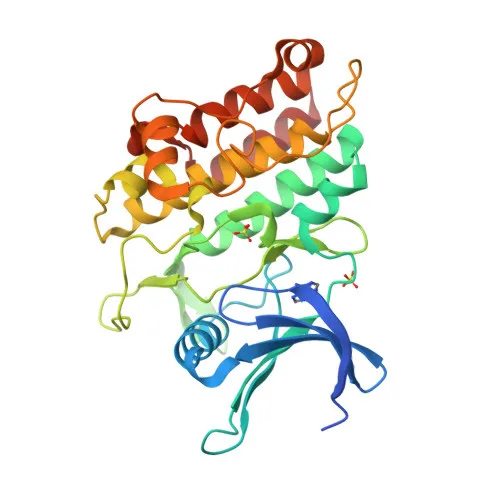
- Encoded by ACVR2B, activin receptor type-2B is a transmembrane serine/threonine kinase that functions as the primary receptor for activins and inhibins, containing extracellular ligand-binding, transmembrane, and intracellular kinase domains.
- As a type-2 receptor, ACVR2B forms heteromeric complexes with type-1 receptors (ACVR1, ACVR1B, ACVR1c) upon ligand binding, initiating downstream signaling cascades critical for numerous biological processes.
- Activin binding activates the kinase domain, which phosphorylates type-1 receptors; these in turn phosphorylate SMAD2/3, leading to SMAD4 complex formation and nuclear translocation to regulate gene transcription (e.g., neuronal differentiation, FSH production, wound healing).
- Signaling is antagonized by inhibin-B binding through the IGSF1 coreceptor and by inhibitory SMAD7, which blocks SMAD2/3 association with the receptor complex.
- Localized to the cell membrane, ACVR2B contains disulfide bonds and is glycosylated; its molecular weight is approximately 57.7 kDa (UniProt), with a reported protein weight of 58 kDa.
- Keywords: alternative splicing, disease variant (associated with heterotaxy), ATP-binding, and reference proteome; these highlight structural complexity and clinical relevance in developmental disorders.
Experimental Guidance and Technical Tips
- The immunogen corresponds to a synthetic peptide within amino acids 50-150 of human ACVR2B (extracellular domain), suggesting recognition of the native and denatured protein.
- For Western blot (WB), consider using reducing and denaturing conditions; a band at ~58 kDa is expected. Endogenous ACVR2B may be detected in relevant cell lines, though expression levels may require optimization.
- For immunofluorescence (IF/ICC), permeabilization is likely needed to access the intracellular domain; validate antibody specificity with appropriate controls.
- For ELISA, the peptide-based immunogen supports detection; titrate antibody concentration and use a matched coating buffer for optimal performance.
- Cross-reactivity is reported for human ACVR2B; sequence homology with other species is not specified, so validate in non-human systems if needed.
CamelBio: Your One-Stop Sourcing Bridge
CamelBio serves as a comprehensive IVD raw-material sourcing partner, offering this anti-ACVR2B rabbit polyclonal antibody alongside a wide range of validated antibody pairs, recombinant proteins, and ancillary reagents. We support diagnostic manufacturers and research laboratories in activin signaling and developmental biology studies with reliable, high-quality materials. From concept to clinic, our supply capabilities cover bulk orders, custom antibody development, and rare-target sourcing to accelerate your assay development and commercialization.
Product Datasheet
Anti-ACVR2B Rabbit Polyclonal Antibody for WB, IF/ICC, ELISA - Q13705
REQUEST A QUOTE
Our professional team will reply to you within one business day. Please feel free to contact us!