Polyclonal Antibodies
Anti-ACVR1 Rabbit Polyclonal Antibody (pAb) for WB, ELISA - Q04771
Item Number : CM0026869
Price varies based on specs and customizations
- Application
- WB, ELISA
- Cross Reactivity
- Human, Mouse
- Protein Weight
- 57kDa

Shipping:
Contact us to get shipping details Enjoy On-time Dispatch Guarantee.
Why Choose Us
Easy ordering process, quality products, and dedicated support for your business success.
Core Product Specifications and Parameters
| Parameter | Value |
|---|---|
| Product Name | ACVR1 Rabbit pAb |
| Remarks/Alias | FOP; ALK2; SKR1; TSRI; ACTRI; ACVR1A; ACVRLK2; ACVR1 |
| Species | Human |
| GeneID (Human) | 90 |
| GeneID | 90 |
| Immunogen | Recombinant fusion protein containing a sequence corresponding to amino acids 20-125 of human ACVR1 (NP_001096.1) |
| Source | Rabbit |
| Category | Polyclonal Antibodies |
| Application | WB, ELISA |
| Cross Reactivity | Human, Mouse |
| SWISS | Q04771 |
| Protein Weight | 57kDa |
| Shipping | Ice bag |
Biological Background: ACVR1 Function and Localization
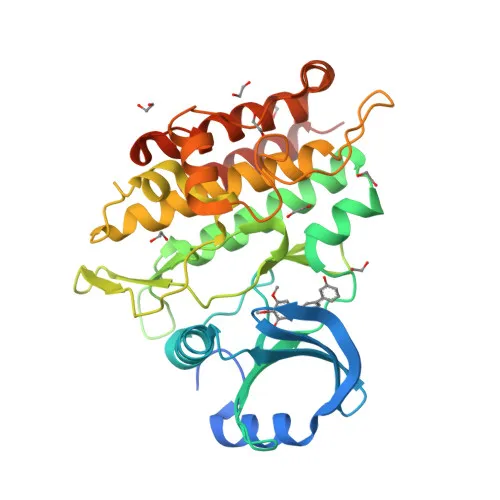
- ACVR1, also known as Activin receptor type-1 (ACTR-I), ALK-2, SKR1, or TSR-I, is a serine/threonine-protein kinase receptor belonging to the TGF-beta superfamily. It is encoded by the ACVR1 gene and is a type I receptor for bone morphogenetic proteins (BMPs).
- As a BMP type I receptor, ACVR1 forms heterotetrameric complexes with type II receptors (AMHR2, ACVR2A, ACVR2B) upon ligand binding (e.g., BMP7, GDF2/BMP9). Type II receptors then transphosphorylate the ACVR1 intracellular domain, activating its kinase activity to phosphorylate SMAD1/5/8, which transduce the signal downstream. Related references: PMID:17911401 PMID:25354296 PMID:9748228
- ACVR1 is a member of the activin receptor-like kinase family and plays critical roles in the development of multiple organ systems, including bone, heart, cartilage, nervous, and reproductive systems. Related references: PMID:20628059 PMID:22977237
- The receptor is localized to the plasma membrane as a single-pass transmembrane protein, with its ligand-binding domain exposed extracellularly and its kinase domain intracellularly.
- ACVR1 undergoes glycosylation and phosphorylation, and it requires binding of ATP and metal cofactors (magnesium or manganese) for its kinase activity. It is classified under glycoprotein, kinase, and phosphoprotein.
- Expressed in a variety of cell types, including normal parenchymal cells, endothelial cells, fibroblasts, and tumor-derived epithelial cells, reflecting its broad involvement in cellular signaling.
- In addition to canonical SMAD signaling, ACVR1 can activate non-canonical pathways such as p38 mitogen-activated protein kinases/MAPKs, and it suppresses TGFbeta/activin pathway signaling by interfering with activin binding to its type II receptor. Related references: PMID:17911401
- ACVR1 may promote the expression of HAMP (hepcidin), potentially through interaction with BMP6, linking BMP signaling to iron homeostasis.
Experimental Guidance and Technical Tips
- The immunogen corresponds to amino acids 20-125 of human ACVR1 (N-terminal extracellular domain). This region is likely to be exposed in native conditions, making the antibody suitable for detection in native or denaturing applications.
- For Western blot, a specific band at approximately 57 kDa is expected for ACVR1. Consider using a reducing gel system and validate detection in your specific sample type (e.g., cell lines, tissues) with appropriate controls.
- For ELISA, the antibody can be used for direct detection or as part of a sandwich pair. When developing a sandwich ELISA, pair with a suitable detection antibody recognizing a non-overlapping epitope to avoid competition.
- Given the cross-reactivity with mouse ACVR1, this antibody is a valuable tool for both human and mouse model studies. Validate in the relevant species-specific contexts.
- The antibody is shipped on ice bags to maintain stability; avoid repeated freeze-thaw cycles and aliquot upon receipt for long-term storage.
CamelBio: Your One-Stop Sourcing Bridge
CamelBio is your dedicated partner for IVD raw material sourcing, offering this ACVR1 rabbit polyclonal antibody and a broad portfolio of antibodies for BMP signaling and developmental biology research. Whether you need validated antibody pairs, bulk polyclonal antibodies, or ancillary reagents, we streamline procurement from concept to clinic. Our expertise ensures reliable supply of rare target raw materials to accelerate your diagnostic assay development.
REQUEST A QUOTE
Our professional team will reply to you within one business day. Please feel free to contact us!