Polyclonal Antibodies
Anti-ACTR1A Rabbit Polyclonal Antibody for WB, ELISA - P61163
Item Number : CM0030579
Price varies based on specs and customizations
- Application
- WB, ELISA
- Cross Reactivity
- Human, Mouse, Rat
- Protein Weight
- 43kDa

Shipping:
Contact us to get shipping details Enjoy On-time Dispatch Guarantee.
Why Choose Us
Easy ordering process, quality products, and dedicated support for your business success.
Core Product Specifications and Parameters
| Parameter | Value |
|---|---|
| Product Name | ACTR1A Rabbit pAb |
| Remarks/Alias | ARP1; Arp1A; CTRN1; ACTR1A |
| Species | Human |
| GeneID (Human) | 10121 |
| GeneID | 10121 |
| Immunogen | Recombinant fusion protein containing a sequence corresponding to amino acids 187-376 of human ACTR1A (NP_005727.1) |
| Source | Rabbit |
| Category | Polyclonal Antibodies |
| Application | WB, ELISA |
| Cross Reactivity | Human, Mouse, Rat |
| SWISS | P61163 |
| Protein Weight | 43kDa |
| Shipping | Ice bag |
Biological Background: Alpha-centractin Function and Localization
- Alpha-centractin (ACTR1A) is also known as ARP1, Actin-RPV, and centrosome-associated actin homolog, a member of the actin-related protein family.
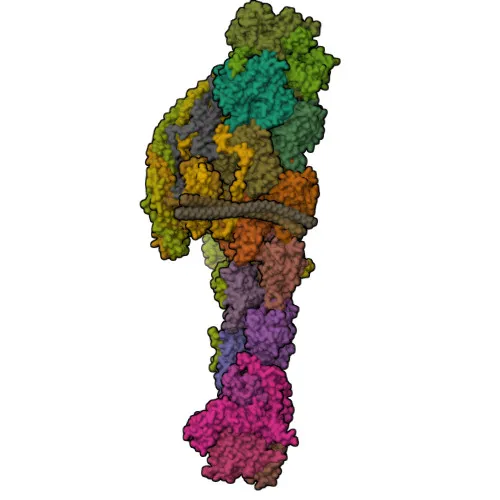
- ACTR1A forms a filament together with ACTB that serves as the structural backbone for the dynactin complex.
- The dynactin complex is critical for activating the molecular motor dynein, enabling ultra-processive transport of cargo along microtubules.
- ACTR1A localizes to the cytoplasm, cytoskeleton, microtubule organizing center (centrosome), and cell cortex.
- The protein contains ATP-binding and nucleotide-binding domains, consistent with its actin-like properties.
- Post-translational acetylation has been identified, and the protein is a reference proteome member with direct protein sequencing evidence.
Experimental Guidance and Technical Tips
- The immunogen is a recombinant fusion protein covering amino acids 187-376 of human ACTR1A, which may confer specificity for detection across human, mouse, and rat species as indicated.
- For Western blot (WB), consider using a range of lysate concentrations from relevant cell lines or tissues to optimize signal with the predicted band at ~43 kDa.
- In ELISA, it is advisable to validate the antibody’s reactivity with the target protein under your specific assay conditions, as performance may vary with coating buffers and detection systems.
- Given the involvement of ACTR1A in the dynactin complex, co-immunoprecipitation experiments might be considered to study protein interactions, but require separate validation.
CamelBio: Your One-Stop Sourcing Bridge
CamelBio supports your dynactin and cytoskeleton research by offering high-quality anti-ACTR1A antibodies, validated antibody pairs, and ancillary reagents. Our one-stop platform simplifies sourcing of IVD raw materials from early exploration to clinical application, ensuring reliable supply for your pipeline.
REQUEST A QUOTE
Our professional team will reply to you within one business day. Please feel free to contact us!