Polyclonal Antibodies
Anti-ACTN1 Rabbit Polyclonal Antibody for WB, IHC-P, ELISA - P12814
Item Number : CM0017109
Price varies based on specs and customizations
- Application
- WB, IHC-P, ELISA
- Cross Reactivity
- Human, Mouse
- Protein Weight
- 103kDa

Shipping:
Contact us to get shipping details Enjoy On-time Dispatch Guarantee.
Why Choose Us
Easy ordering process, quality products, and dedicated support for your business success.
Core Product Specifications and Parameters
| Parameter | Value |
|---|---|
| Product Name | ACTN1 Rabbit pAb |
| Remarks/Alias | BDPLT15; ACTN1 |
| Species | Human |
| GeneID (human) | 87 |
| GeneID | 87 |
| Immunogen | Recombinant fusion protein containing a sequence corresponding to amino acids 1-330 of human ACTN1 (NP_001123477.1) |
| Source | Rabbit |
| Category | Polyclonal Antibodies |
| Application | WB, IHC-P, ELISA |
| Cross Reactivity | Human, Mouse |
| SWISS | P12814 |
| Protein Weight | 103kDa |
| Shipping | Ice bag |
Biological Background: ACTN1 Function and Localization
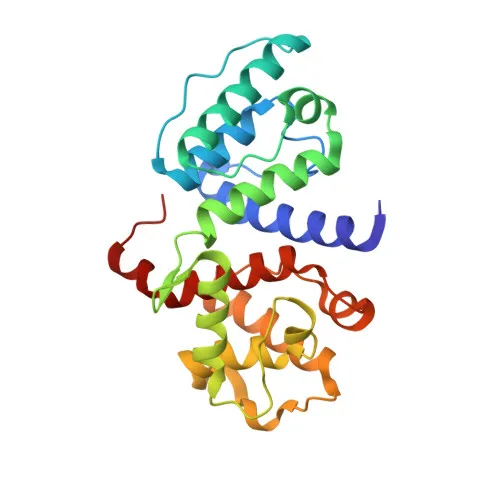
- ACTN1 encodes alpha-actinin-1, a 103 kDa non-muscle cytoskeletal isoform belonging to the spectrin family, characterized by N-terminal actin-binding domains and C-terminal calcium-binding EF-hand motifs.
- It functions as an F-actin cross-linking protein, bundling actin filaments and anchoring them to various intracellular structures, thereby maintaining cytoskeletal integrity and cell shape.
- Alpha-actinin-1 participates in immune synapse formation: its association with IGSF8 at the T-cell/antigen-presenting cell interface is required for efficient T-cell activation. Related references: PMID:22689882
- The protein localizes to diverse subcellular sites, including the Z-lines of sarcomeres, adhesion plaques, focal adhesions, and dynamic structures such as membrane ruffles and cell junctions.
- Post-translational modifications include acetylation and phosphorylation, which may regulate its actin-binding affinity and subcellular targeting.
- Alternative splicing generates multiple isoforms with distinct tissue distributions and functional specializations.
- Mutations in ACTN1 are associated with inherited platelet disorders (e.g., BDPLT15), highlighting its critical role in megakaryocyte and platelet cytoskeletal organization.
Experimental Guidance and Technical Tips
- The immunogen comprises a recombinant fusion protein spanning amino acids 1–330, covering the N-terminal actin-binding domain; the antibody is expected to recognize total ACTN1 irrespective of isoform.
- Recommended for western blot (WB) detection of the ~103 kDa band in human and mouse cell or tissue lysates; consider using nuclear/cytoplasmic fractionation to enrich signals.
- For immunohistochemistry (IHC-P), antigen retrieval conditions should be optimized; positive staining in muscle, platelets, and cultured cells can serve as controls.
- In ELISA, the antibody can function as a capture or detection reagent; pairing with another clone may improve sensitivity in sandwich formats.
- Cross-reactivity with human and mouse is confirmed; for other species, validate by sequence alignment of the immunogen region.
CamelBio: Your One-Stop Sourcing Bridge
CamelBio specializes in supplying high-quality IVD raw materials, and this anti-ACTN1 antibody supports researchers and diagnostic developers focusing on cytoskeletal biology, platelet disorders, and T-cell activation. As a one-stop sourcing partner, we offer validated antibody pairs, optimized monoclonal/polyclonal antibodies, bulk ancillary reagents, and custom rare-target procurement—backed by end-to-end technical and regulatory support to accelerate your product development pipeline.
REQUEST A QUOTE
Our professional team will reply to you within one business day. Please feel free to contact us!