Polyclonal Antibodies
Anti-ACSM2A Polyclonal Antibody for WB, ELISA - Q08AH3
Item Number : CM0014125
Price varies based on specs and customizations
- Application
- WB, ELISA
- Cross Reactivity
- Mouse, Rat
- Protein Weight
- 64kDa

Shipping:
Contact us to get shipping details Enjoy On-time Dispatch Guarantee.
Why Choose Us
Easy ordering process, quality products, and dedicated support for your business success.
Core Product Specifications and Parameters
| Parameter | Value |
|---|---|
| Product Name | ACSM2A Rabbit pAb |
| Remarks/Alias | ACSM2; A-923A4.1; ACSM2A |
| Species | Human |
| GeneID (human) | 123876 |
| GeneID | 123876 |
| Immunogen | Recombinant fusion protein containing a sequence corresponding to amino acids 418-577 of human ACSM2A (NP_001295101.1) |
| Source | Rabbit |
| Category | Polyclonal Antibodies |
| Application | WB, ELISA |
| Cross Reactivity | Mouse, Rat |
| SWISS | Q08AH3 |
| Protein Weight | 64kDa |
| Shipping | Ice bag |
Biological Background: ACSM2A Function and Localization
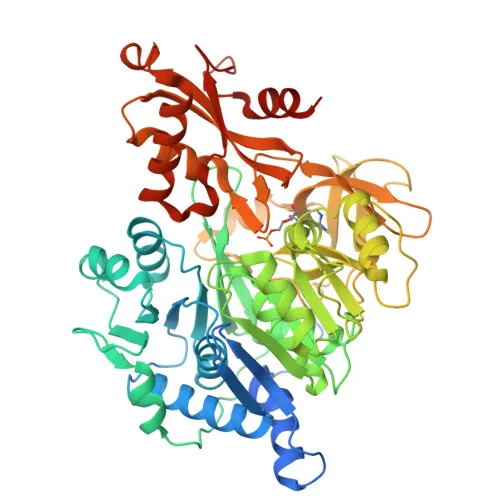
- ACSM2A (Acyl-coenzyme A synthetase ACSM2A, mitochondrial) is a member of the acyl-CoA synthetase medium-chain family, also known as middle-chain acyl-CoA synthetase 2A.
- It catalyzes the ATP-dependent activation of medium-chain fatty acids (C4–C10) to acyl-CoA thioesters, the first step in fatty acid β-oxidation and lipid metabolism.
- The enzyme also ligates CoA to carboxylate-containing xenobiotics such as benzoate, implicating it in detoxification pathways.
- ACSM2A localizes to the mitochondrion, consistent with its role in mitochondrial fatty acid metabolism.
- Key structural features include ATP-binding, magnesium-binding, and a nucleotide-binding domain, characteristic of the acyl-CoA synthetase family.
- Post-translational modifications include phosphorylation, as indicated by proteomics identification; the protein contains a transit peptide for mitochondrial import.
- The enzyme exhibits butyrate--CoA ligase activity, playing a role in butyrate metabolism, an important short-chain fatty acid.
Experimental Guidance and Technical Tips
- The immunogen covers the C-terminal region (amino acids 418–577), which may yield antibodies recognizing both native and denatured protein; consider this for Western blot under reducing conditions.
- For ELISA, the recombinant protein or peptide antigen may serve to verify reactivity; validate in the relevant species (human, mouse, rat) with appropriate sample systems.
- Given mitochondrial localization, cell fractionation or mitochondrial enrichment could enhance detection sensitivity in Western blot assays.
CamelBio: Your One-Stop Sourcing Bridge
CamelBio equips diagnostic manufacturers and research labs with a comprehensive portfolio of validated IVD raw materials, including this anti-ACSM2A rabbit polyclonal antibody. We offer optimized polyclonal antibodies, antibody pairs, and bulk ancillary reagents for metabolic and mitochondrial target assays, coupled with expert technical consultation to streamline your development from concept to clinic.
REQUEST A QUOTE
Our professional team will reply to you within one business day. Please feel free to contact us!