Polyclonal Antibodies
Anti-Aconitase 1 (ACO1) Polyclonal Antibody for WB - P21399
Item Number : CM0025509
Price varies based on specs and customizations
- Application
- WB, ELISA
- Cross Reactivity
- Human, Mouse, Rat
- Protein Weight
- 98kDa

Shipping:
Contact us to get shipping details Enjoy On-time Dispatch Guarantee.
Why Choose Us
Easy ordering process, quality products, and dedicated support for your business success.
Core Product Specifications and Parameters
| Parameter | Value |
|---|---|
| Product Name | Aconitase 1 (ACO1) Rabbit pAb |
| Remarks/Alias | IRP1; ACONS; HEL60; IREB1; IREBP; IREBP1; Aconitase 1 (ACO1) |
| Species | Human |
| GeneID (Human) | 48 |
| GeneID | 48 |
| Immunogen | Recombinant fusion protein containing a sequence corresponding to amino acids 1-170 of human Aconitase 1 (ACO1) (NP_002188.1) |
| Source | Rabbit |
| Category | Polyclonal Antibodies |
| Application | WB, ELISA |
| Cross Reactivity | Human, Mouse, Rat |
| SWISS | P21399 |
| Protein Weight | 98kDa |
| Shipping | Ice bag |
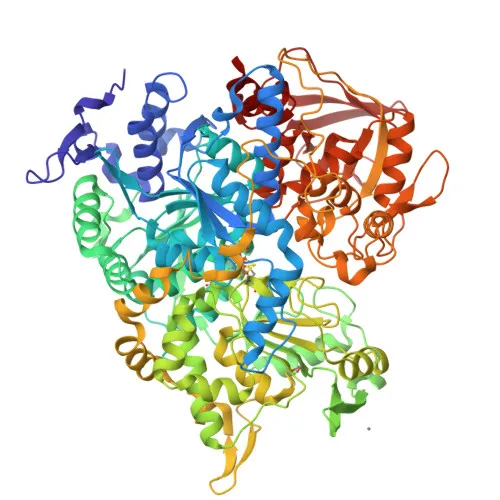
Biological Background: Aconitase 1 (ACO1) Function and Localization
- Aconitase 1 (ACO1), also known as IRP1 (Iron Regulatory Protein 1) or IRE-BP 1, is a bifunctional cytosolic protein that acts as an iron sensor.
- Under low iron conditions, ACO1 binds to iron-responsive elements (IREs) in mRNAs, regulating translation of ferritin and aminolevulinate synthase, and stabilizing transferrin receptor mRNA. Related references: PMID:1281544 PMID:1946430 PMID:23891004
- When iron is abundant, ACO1 assembles a 4Fe-4S cluster, which switches off its RNA-binding activity and activates its aconitase enzyme function, catalyzing the isomerization of citrate to isocitrate in the cytoplasm. Related references: PMID:1281544 PMID:1946430 PMID:8041788
- The protein is predominantly localized in the cytoplasm/cytosol, consistent with its role in iron homeostasis and citrate metabolism.
- Post-translational modifications include phosphorylation, and it belongs to the aconitase/IPM isomerase family, featuring a 4Fe-4S cluster.
- ACO1 is involved in the tricarboxylic acid cycle and cellular iron homeostasis, making it a relevant target in studies of metabolism and iron-related disorders.
Experimental Guidance and Technical Tips
- The immunogen corresponds to the N-terminal region (amino acids 1-170) of human ACO1, which may allow recognition of both the apo-form and holo-form; experimental validation is recommended.
- For Western blot, consider a starting dilution range of 1:500 to 1:2000 and optimize using appropriate positive controls (e.g., HeLa, HepG2, or tissue lysates from human, mouse, or rat). The predicted molecular weight is approximately 98 kDa; use an SDS-PAGE gel percentage suitable for high molecular weight proteins.
- For ELISA, titrate the antibody to determine optimal coating and detection conditions; ensure antigen integrity and buffer compatibility.
- Validate specificity in your model system by including negative controls (e.g., knockout or knockdown samples) or by pre-adsorption with the immunogen.
CamelBio: Your One-Stop Sourcing Bridge
CamelBio is a trusted one-stop platform for diagnostic manufacturers, laboratories, and research institutes, offering a comprehensive portfolio of IVD raw materials. This ACO1 polyclonal antibody supports studies in iron metabolism and metabolic disorders. We supply validated antibody pairs, monoclonal/polyclonal antibodies, bulk ancillary reagents, and can assist with sourcing rare-target raw materials to streamline your assay development from concept to clinic.
REQUEST A QUOTE
Our professional team will reply to you within one business day. Please feel free to contact us!