Polyclonal Antibodies
Anti-ACC1 Polyclonal Antibody for WB, IHC-P, IF/ICC, IP, ELISA - Q13085
Item Number : CM0015586
Price varies based on specs and customizations
- Application
- WB, IHC-P, IF/ICC, IP, ELISA
- Cross Reactivity
- Human, Mouse, Rat
- Protein Weight
- 266 kDa

Shipping:
Contact us to get shipping details Enjoy On-time Dispatch Guarantee.
Why Choose Us
Easy ordering process, quality products, and dedicated support for your business success.
Core Product Specifications and Parameters
| Parameter | Value |
|---|---|
| Product Name | ACC1 Rabbit pAb |
| Remarks/Alias | ACC; ACAC; ACC1; ACCA; Acac1; hACC1; ACACAD; ACCalpha; ACACalpha |
| Species | Human |
| GeneID (Human) | 31 |
| Immunogen | Recombinant fusion protein containing a sequence corresponding to amino acids 2266-2346 of human ACC1 (NP_942133.1) |
| Source | Rabbit |
| Category | Polyclonal Antibodies |
| Application | WB, IHC-P, IF/ICC, IP, ELISA |
| Cross Reactivity | Human, Mouse, Rat |
| SWISS | Q13085 |
| Protein Weight | 266 kDa |
| Shipping | Ice bag |
Biological Background: ACC1 Function and Localization
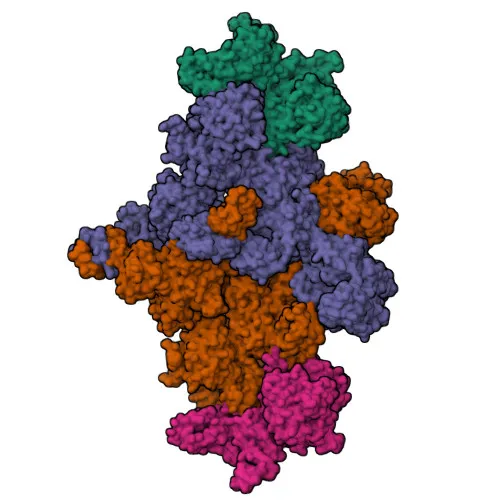
- Encoded by the ACACA gene, acetyl-CoA carboxylase 1 (ACC1) is a 266 kDa multifunctional enzyme that belongs to the biotin-dependent carboxylase family and contains biotin carboxylase, biotin carboxyl carrier, and carboxyltransferase domains.
- ACC1 catalyzes the ATP-dependent carboxylation of acetyl-CoA to malonyl-CoA, the first and rate-limiting step in de novo fatty acid biosynthesis, proceeding through a two-step biotin-mediated mechanism (PubMed:20457939, PubMed:20952656, PubMed:29899443). Related references: PMID:20457939 PMID:20952656 PMID:29899443
- The enzyme functions as a homodimer and its activity is allosterically regulated by citrate and palmitoyl-CoA, playing a central role in lipid metabolism.
- Subcellularly, ACC1 is localized to the cytoplasm and cytosol, where it provides malonyl-CoA for fatty acid synthesis and chain elongation.
- ACC1 is widely expressed, notably in brain, placenta, skeletal muscle, renal, pancreatic, and adipose tissues, but is absent from liver under normal conditions.
- Post-translational modifications, including phosphorylation and acetylation, modulate ACC1 enzyme activity in response to hormonal and nutritional signals.
Experimental Guidance and Technical Tips
- The immunogen corresponds to amino acids 2266–2346 near the C-terminus of human ACC1; antibodies targeting this region may recognize full-length protein and potentially some isoforms.
- For Western blot, due to the high molecular weight of ACC1 (~266 kDa), consider using a low-percentage polyacrylamide gel (e.g., 6% gel) and extending transfer time with reduced methanol to ensure efficient membrane transfer.
- For immunohistochemistry (IHC-P), test antigen retrieval conditions (e.g., citrate buffer pH 6.0 or EDTA pH 8.0) as fixation can mask epitopes of large proteins; include positive control tissues such as placenta or skeletal muscle.
- In immunofluorescence (IF/ICC), optimize fixation (e.g., 4% PFA) and permeabilization (e.g., Triton X-100) to balance antigen accessibility and morphology.
- As a polyclonal antibody, lot-to-lot consistency should be verified in the intended assay system; consider using a validated positive control lysate (e.g., from HEK-293T or HuH-7 cells) to confirm reactivity.
CamelBio: Your One-Stop Sourcing Bridge
CamelBio supports diagnostic developers and researchers with a comprehensive portfolio of high-quality IVD raw materials, including validated antibodies for metabolic and lipid research. The ACC1 polyclonal antibody is part of our offering for fatty acid biosynthesis studies, backed by reliable supply chains and technical consultation. For bulk orders, custom formulations, or complementary reagents such as recombinant proteins and detection antibodies, our team provides end-to-end sourcing solutions.
REQUEST A QUOTE
Our professional team will reply to you within one business day. Please feel free to contact us!