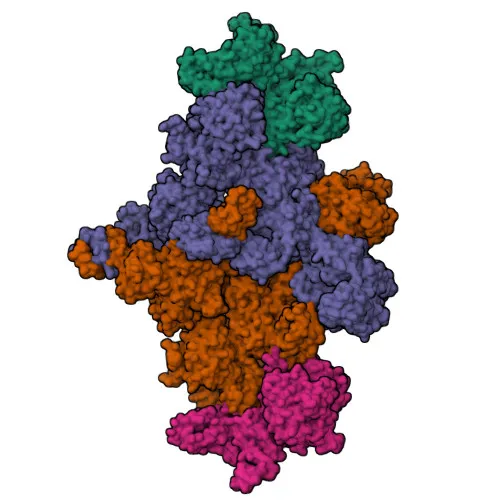
Polyclonal Antibodies
Anti-ACC1 Polyclonal Antibody for WB, IHC-P, ELISA - Q13085
Item Number : CM0023193
Price varies based on specs and customizations
- Application
- WB, IHC-P, ELISA
- Cross Reactivity
- Human, Rat
- Protein Weight
- 266kDa

Shipping:
Contact us to get shipping details Enjoy On-time Dispatch Guarantee.
Why Choose Us
Easy ordering process, quality products, and dedicated support for your business success.
Core Product Specifications and Parameters
| Parameter | Specification |
|---|---|
| Product Name | ACC1 Rabbit pAb |
| Remarks/Alias | ACC; ACAC; ACC1; ACCA; Acac1; hACC1; ACACAD; ACCalpha; ACACalpha |
| Species | Human |
| GeneID | 31 |
| Immunogen | Recombinant fusion protein containing a sequence corresponding to amino acids 1190-1340 of human ACC1 (NP_942133.1) |
| Source | Rabbit |
| Category | Polyclonal Antibodies |
| Application | WB, IHC-P, ELISA |
| Cross Reactivity | Human, Rat |
| SWISS | Q13085 |
| Protein Weight | 266kDa |
| Shipping | Ice bag |
Biological Background: ACC1 Function and Localization
- Acetyl-CoA carboxylase 1 (ACC1), encoded by the ACACA gene, is the rate-limiting enzyme in de novo fatty acid biosynthesis, catalyzing the ATP-dependent carboxylation of acetyl-CoA to malonyl-CoA (PubMed:20457939, PubMed:20952656, PubMed:29899443). Related references: PMID:20457939 PMID:20952656 PMID:29899443
- The enzyme is a large multifunctional protein containing biotin carboxyl carrier, biotin carboxylase, and carboxyltransferase domains, and requires biotin as a cofactor.
- ACC1 localizes predominantly to the cytosol, where it provides the malonyl-CoA substrate for fatty acid synthesis.
- Tissue expression includes brain, placenta, skeletal muscle, renal, pancreatic, and adipose tissues, with low levels in lung and absence in liver.
- Post-translational modifications include acetylation and phosphorylation, which regulate enzymatic activity and polymer formation.
- ACC1 is a metal-dependent ligase, utilizing magnesium or manganese for catalytic activity, and is subject to allosteric regulation by citrate and palmitoyl-CoA.
Experimental Guidance and Technical Tips
- For Western blot (WB), given the large protein size (~266 kDa), use a low percentage SDS-PAGE gel (e.g., 6%) and extended transfer time to ensure efficient blotting.
- For immunohistochemistry (IHC-P), consider antigen retrieval methods such as heat-induced epitope retrieval in citrate buffer (pH 6.0) to expose the immunogen epitope located in the C-terminal region (aa 1190-1340).
- In ELISA, titrate the antibody appropriately and validate against the recombinant immunogen or cell lysates to confirm specificity.
- The antibody is raised against a conserved region; cross-reactivity with rat ACC1 has been demonstrated, but sequence alignment with other species is recommended before use.
CamelBio: Your One-Stop Sourcing Bridge
CamelBio is your integrated partner for IVD raw material procurement, offering a comprehensive portfolio of validated antibodies, including polyclonal and monoclonal options targeting key metabolic enzymes like ACC1. Whether you need bulk ancillary reagents, OEM-scale antibody production, or assistance sourcing rare-target raw materials for lipid metabolism research, CamelBio streamlines your supply chain from concept to clinic. Leverage our one-stop service to accelerate your diagnostic development with reliable, high-quality reagents backed by technical expertise.
REQUEST A QUOTE
Our professional team will reply to you within one business day. Please feel free to contact us!