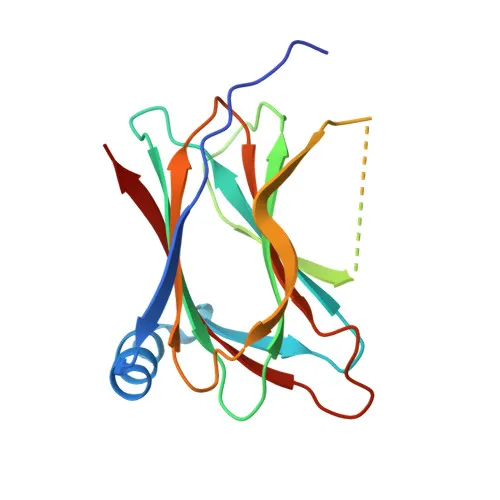
Polyclonal Antibodies
Anti-ACBD3 Polyclonal Antibody for WB, IF/ICC, ELISA - Q9H3P7
Item Number : CM0021339
Price varies based on specs and customizations
- Application
- WB, IF/ICC, ELISA
- Cross Reactivity
- Human, Mouse, Rat
- Protein Weight
- 61kDa

Shipping:
Contact us to get shipping details Enjoy On-time Dispatch Guarantee.
Why Choose Us
Easy ordering process, quality products, and dedicated support for your business success.
Core Product Specifications and Parameters
| Parameter | Value |
|---|---|
| Product Name | ACBD3 Rabbit pAb |
| Remarks/Alias | PAP7, GCP60, GOCAP1, GOLPH1, ACBD3 |
| Species | Human |
| Gene ID (Human) | 64746 |
| Gene ID | 64746 |
| Immunogen | Recombinant Protein|Recombinant fusion protein containing a sequence corresponding to amino acids 1-160 of human ACBD3 (NP_073572.2). |
| Source | Rabbit |
| Category | Polyclonal Antibodies |
| Application | WB, IF/ICC, ELISA |
| Cross Reactivity | Human, Mouse, Rat |
| SWISS | Q9H3P7 |
| Protein Weight | 61kDa |
| Shipping | Ice bag |
Biological Background: ACBD3 Function and Localization
- ACBD3 (Acyl-CoA-binding domain-containing protein 3), also known as GCP60, GOCAP1, and GOLPH1, is a Golgi-resident protein involved in maintaining Golgi structure and membrane traffic. Related references: PMID:11590181
- Through interaction with giantin, ACBD3 influences protein transport between the endoplasmic reticulum and the Golgi apparatus (PubMed:11590181).
- ACBD3 plays a key role in hormone-induced steroid biosynthesis in testicular Leydig cells (by similarity).
- It recruits phosphatidylinositol 4-kinase beta (PI4KB) to Golgi membranes, enhancing PI4KB activity and increasing local substrate concentration for phosphoinositide synthesis (PubMed:27009356). Related references: PMID:27009356
- During Aichi virus infection, ACBD3 is essential for viral RNA replication by recruiting PI4KB to viral replication sites.
- Subcellularly, ACBD3 localizes to the Golgi apparatus membrane and mitochondria.
- Ubiquitously expressed, with highest levels in testis and ovary, consistent with its role in steroidogenic tissues.
- Post-translational modifications include phosphorylation and acetylation; the protein contains a coiled-coil domain.
Experimental Guidance and Technical Tips
- The immunogen spans amino acids 1–160 of human ACBD3, targeting the N-terminal region. This region may detect all reported isoforms.
- For Western blot, an expected band around 61 kDa (predicted MW ~60.6 kDa) should be observed in human, mouse, and rat samples; consider using positive controls like testis or ovary lysates.
- In immunofluorescence, ACBD3 localizes to the Golgi apparatus and mitochondria; appropriate fixation and permeabilization (e.g., methanol or Triton X-100) are recommended to visualize these membranous structures.
- For ELISA applications, confirm antigen coating and detection conditions empirically using recombinant ACBD3 protein.
- Validate specificity with siRNA knockdown or CRISPR knockout lysates to confirm band disappearance.
CamelBio: Your One-Stop Sourcing Bridge
CamelBio provides diagnostic manufacturers, laboratories, and research institutes with a single access point for IVD raw materials, technical services, and consulting—from concept to clinic. This ACBD3 antibody supports research into Golgi biology, steroidogenesis, and host-virus interactions. We supply validated antibody pairs, optimized polyclonal and monoclonal antibodies, bulk ancillary reagents, and can assist with rare target sourcing to streamline your development workflow.
REQUEST A QUOTE
Our professional team will reply to you within one business day. Please feel free to contact us!