Monoclonal Antibodies
Anti-ACAT2 Rabbit Monoclonal Antibody for WB, ELISA - Q9BWD1
Item Number : CM0003751
Price varies based on specs and customizations
- Application
- WB, ELISA
- Cross Reactivity
- Human, Mouse, Rat
- Protein Weight
- 41kDa

Shipping:
Contact us to get shipping details Enjoy On-time Dispatch Guarantee.
Why Choose Us
Easy ordering process, quality products, and dedicated support for your business success.
Core Product Specifications and Parameters
| Parameter | Value |
|---|---|
| Product Name | ACAT2 Rabbit mAb |
| Remarks/Alias | ACAT2; acetyl-CoA acetyltransferase 2 |
| Species | Human |
| Gene ID (Human) | 39 |
| Gene ID | 39 |
| Immunogen | Synthetic Peptide|A synthetic peptide corresponding to a sequence within amino acids 150-250 of human ACAT2 (Q9BWD1). |
| Source | Rabbit |
| Category | Monoclonal Antibodies |
| Application | WB, ELISA |
| Cross Reactivity | Human, Mouse, Rat |
| SWISS | Q9BWD1 |
| Protein Weight | 41kDa |
| Shipping | Ice bag |
Biological Background: ACAT2 Function and Localization
- ACAT2 encodes cytosolic acetyl-CoA acetyltransferase, an enzyme that catalyzes the formation of acetoacetyl-CoA from two acetyl-CoA molecules, a key step in cholesterol biosynthesis.
- Also known as acetoacetyl-CoA thiolase or acetyl-CoA transferase-like protein, ACAT2 is primarily expressed in the liver and intestine, tissues with high cholesterol synthesis activity.
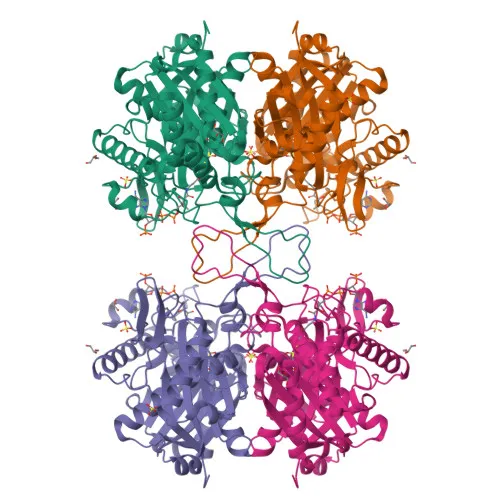
- The enzyme functions as a homotetramer in the cytosol, consistent with its subcellular localization in the cytoplasm.
- Human ACAT2 shares homology with mitochondrial ACAT1 but differs in subcellular targeting and tissue distribution, highlighting its specialized role in cytosolic lipid metabolism.
- Alternative splicing produces multiple isoforms of ACAT2, which may regulate enzymatic activity or protein interactions.
- Post-translational modifications, including acetylation, have been identified by proteomics, potentially affecting enzyme stability or activity.
- Structural studies (3D-structure available) reveal the active-site architecture and mechanism of acyl transfer, supporting its classification as a transferase.
Experimental Guidance and Technical Tips
- For Western blotting, the predicted molecular weight is approximately 41 kDa (calculated 41.351 kDa), so use appropriate gel percentage and transfer conditions.
- The synthetic peptide immunogen (aa 150‑250) may react with specific isoforms; validate target detection in relevant cell or tissue lysates.
- Cross-reactivity with mouse and rat ACAT2 has been reported; however, perform species-specific validation in your experimental system.
- ELISA applications may require optimization of coating antigen and antibody concentration; consider direct or sandwich formats.
- As a rabbit monoclonal antibody, it offers high specificity and lot-to-lot consistency, suitable for quantitative assays.
CamelBio: Your One-Stop Sourcing Bridge
CamelBio serves as a comprehensive one-stop sourcing partner for IVD raw materials, providing diagnostic manufacturers and research labs with rapid access to validated antibodies, bulk ancillary reagents, and rare-target procurement support. This ACAT2 antibody, targeting cholesterol biosynthesis, exemplifies our portfolio of high-quality reagents for metabolic and cardiovascular disease research. Whether you need optimized monoclonal antibodies, validated antibody pairs, or customized sourcing solutions, CamelBio streamlines your journey from concept to clinic.
REQUEST A QUOTE
Our professional team will reply to you within one business day. Please feel free to contact us!