Polyclonal Antibodies
Anti-ACADVL Polyclonal Antibody for WB, IF/ICC, ELISA - P49748
Item Number : CM0029947
Price varies based on specs and customizations
- Application
- WB, IF/ICC, ELISA
- Cross Reactivity
- Human, Mouse, Rat
- Protein Weight
- 70kDa

Shipping:
Contact us to get shipping details Enjoy On-time Dispatch Guarantee.
Why Choose Us
Easy ordering process, quality products, and dedicated support for your business success.
Core Product Specifications and Parameters
| Parameter | Value |
|---|---|
| Product Name | ACADVL Rabbit pAb |
| Remarks/Alias | ACAD6; LCACD; VLCAD; ACADVL |
| Species | Human |
| GeneID (Human) | 37 |
| GeneID | 37 |
| Immunogen | Recombinant protein / Recombinant fusion protein containing a sequence corresponding to amino acids 1-140 of human ACADVL (NP_000009.1) |
| Source | Rabbit |
| Category | Polyclonal Antibodies |
| Application | WB, IF/ICC, ELISA |
| Cross Reactivity | Human, Mouse, Rat |
| SWISS | P49748 |
| Protein Weight | 70kDa |
| Shipping | Ice bag |
Biological Background: ACADVL Function and Localization
- Very long-chain acyl-CoA dehydrogenase (ACADVL, also known as VLCAD) catalyzes the initial dehydrogenation step in mitochondrial fatty acid β-oxidation, using electron transfer flavoprotein (ETF) as an electron acceptor to convert long-chain acyl-CoAs into trans-2-enoyl-CoAs. Related references: PMID:17564966 | PMID:18227065 | PMID:26474213 | PMID:7668252
- ACADVL shows a pronounced preference for saturated fatty acyl-CoA substrates with chain lengths of 12–24 carbons and can also act on monounsaturated substrates like oleate and polyunsaturated fatty acids such as docosahexaenoate (DHA) in vitro. Related references: PMID:17564966 | PMID:21237683 | PMID:9839948
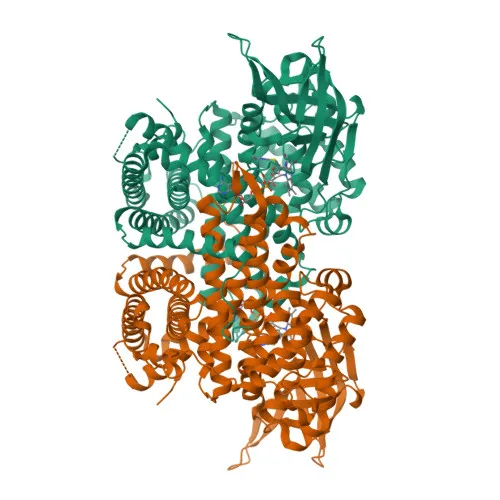
- The enzyme functions as a homodimer and is localized to the mitochondrial inner membrane, where it plays a critical role in energy production, particularly in tissues with high fatty acid oxidation capacity.
- ACADVL is predominantly expressed in heart and skeletal muscle, with lower levels detected in kidney and liver, consistent with its key role in muscle energy metabolism. Related references: PMID:17564966 | PMID:8845838
- Among the mitochondrial acyl-CoA dehydrogenase family, ACADVL exhibits overlapping substrate specificity with ACAD9 and ACADL but serves as the primary long-chain dehydrogenase in highly oxidative tissues. Related references: PMID:17564966
- The protein undergoes several post-translational modifications, including acetylation, phosphorylation, and S-nitrosylation, which may modulate its activity or stability.
- Mutations in the ACADVL gene are linked to very long-chain acyl-CoA dehydrogenase deficiency (VLCADD), a disorder characterized by cardiomyopathy, hypoketotic hypoglycemia, and skeletal myopathy, underlining its diagnostic relevance.
Experimental Guidance and Technical Tips
- The immunogen used corresponds to the N-terminal region (aa 1–140) of human ACADVL; the antibody is expected to recognize total ACADVL in samples from human, mouse, and rat.
- For western blotting (WB), the predicted molecular weight is 70 kDa; validate the specificity by observing a single band near this size in lysates from tissues with known high expression (e.g., heart, skeletal muscle).
- For immunofluorescence (IF/ICC), a mitochondrial staining pattern should be verified using organelle markers or in cell lines expressing ACADVL.
- ELISA applications may require checkerboard titrations to determine optimal coating and detection conditions; consider using purified recombinant protein as a positive control.
- Since this is a polyclonal antibody, lot-to-lot consistency should be confirmed with a known positive sample; for critical quantitative assays, evaluate cross-reactivity with related acyl-CoA dehydrogenases (e.g., ACADL, ACAD9) if necessary.
CamelBio: Your One-Stop Sourcing Bridge
CamelBio empowers diagnostic manufacturers and research laboratories with reliable, one-stop access to high-quality IVD raw materials. This ACADVL polyclonal antibody supports the development of assays for mitochondrial fatty acid oxidation disorders, and we offer complementary reagents such as validated antibody pairs, recombinant proteins, and ancillary enzymes. Whatever your pipeline demands—from rare-target antibody sourcing to bulk ancillary reagents—CamelBio bridges your concept to the clinic with responsive, B2B-focused supply solutions.
REQUEST A QUOTE
Our professional team will reply to you within one business day. Please feel free to contact us!