Polyclonal Antibodies
Anti-ACADSB Rabbit Polyclonal Antibody for IHC-P, ELISA - P45954
Item Number : CM0016733
Price varies based on specs and customizations
- Application
- IHC-P, ELISA
- Cross Reactivity
- Human, Mouse, Rat
- Protein Weight
- 47kDa

Shipping:
Contact us to get shipping details Enjoy On-time Dispatch Guarantee.
Why Choose Us
Easy ordering process, quality products, and dedicated support for your business success.
Core Product Specifications and Parameters
| Parameter | Value |
|---|---|
| Product Name | ACADSB Rabbit pAb |
| Remarks/Alias | ACAD7; SBCAD; 2-MEBCAD; ACADSB |
| Species | Human |
| Gene ID (Human) | 36 |
| Gene ID | 36 |
| Immunogen | Recombinant fusion protein containing a sequence corresponding to amino acids 133-432 of human ACADSB (NP_001600.1) |
| Source | Rabbit |
| Category | Polyclonal Antibodies |
| Application | IHC-P, ELISA |
| Cross Reactivity | Human, Mouse, Rat |
| SWISS | P45954 |
| Protein Weight | 47kDa |
| Shipping | Ice bag |
Biological Background: ACADSB Function and Localization
-
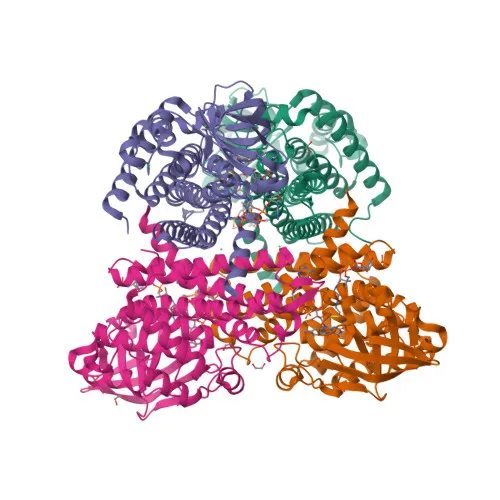
ACADSB (short/branched chain specific acyl-CoA dehydrogenase, mitochondrial) is a flavoprotein that catalyzes the stereospecific α,β-dehydrogenation of short and branched-chain fatty acyl-CoA thioesters, using electron transfer flavoprotein (ETF) as its electron acceptor. Related references: PMID:10832746 PMID:11013134 PMID:21430231
-
It exhibits high specificity for (S)-2-methylbutyryl-CoA and short straight-chain acyl-CoAs such as butyryl-CoA, playing a critical role in the mitochondrial β-oxidation of branched-chain fatty acids. Related references: PMID:10832746 PMID:11013134 PMID:21430231
-
ACADSB is essential in the L-isoleucine catabolic pathway, catalyzing the dehydrogenation of 2-methylbutyryl-CoA to 2-methylcrotonyl-CoA. Related references: PMID:10832746 PMID:11013134
-
This enzyme can also metabolize valproyl-CoA, a metabolite of the antiepileptic drug valproic acid, linking it to drug metabolism. Related references: PMID:8660691
-
The protein is localized in the mitochondrial matrix and is ubiquitously expressed, with highest levels observed in heart, muscle, and liver tissues.
-
Post-translational modifications include acetylation and phosphorylation; it is also associated with disease variants, as indicated by its keywords.
-
Keywords include 3D-structure, alternative splicing, disease variant, FAD, fatty acid metabolism, flavoprotein, lipid metabolism, mitochondrion, oxidoreductase, phosphoprotein, and transit peptide.
Experimental Guidance and Technical Tips
- For IHC-P, consider optimizing antigen retrieval and validating staining in known positive tissues such as human heart or liver, which express high levels of ACADSB.
- In ELISA applications, ensure proper coating with the immunogen or target antigen and validate using standard curves with known concentrations.
- Cross-reactivity with mouse and rat suggests suitability for translational models; however, verify sequence homology in relevant species before use.
- The immunogen is a recombinant fragment (aa 133-432), so the antibody may recognize both full-length and potential splice variants; confirm in your specific experimental set-up.
CamelBio: Your One-Stop Sourcing Bridge
CamelBio serves as a comprehensive sourcing partner for IVD raw materials, offering validated antibody pairs, monoclonal and polyclonal antibodies, and bulk ancillary reagents to diagnostic manufacturers and research laboratories worldwide. This ACADSB polyclonal antibody supports investigations into fatty acid oxidation and metabolic disorders, and our team can assist in sourcing rare target reagents or scaling supply for clinical assay development. Whether you need off-the-shelf IVD antibodies or custom bulk production, CamelBio bridges your research from concept to clinic.
REQUEST A QUOTE
Our professional team will reply to you within one business day. Please feel free to contact us!