Polyclonal Antibodies
Anti-ACADS Rabbit Polyclonal Antibody for WB, IP, ELISA - P16219
Item Number : CM0026764
Price varies based on specs and customizations
- Application
- WB, IP, ELISA
- Cross Reactivity
- Human, Mouse, Rat
- Protein Weight
- 44kDa

Shipping:
Contact us to get shipping details Enjoy On-time Dispatch Guarantee.
Why Choose Us
Easy ordering process, quality products, and dedicated support for your business success.
Core Product Specifications and Parameters
| Parameter | Value |
|---|---|
| Product Name | ACADS Rabbit pAb |
| Remarks/Alias | SCAD; ACAD3; ACADS |
| Species | Human |
| Gene ID (Human) | 35 |
| Gene ID | 35 |
| Immunogen | Recombinant fusion protein containing a sequence corresponding to amino acids 1-260 of human ACADS (NP_000008.1). |
| Source | Rabbit |
| Category | Polyclonal Antibodies |
| Application | WB, IP, ELISA |
| Cross Reactivity | Human, Mouse, Rat |
| SWISS | P16219 |
| Protein Weight | 44kDa |
| Shipping | Ice bag |
Biological Background: ACADS Function and Localization
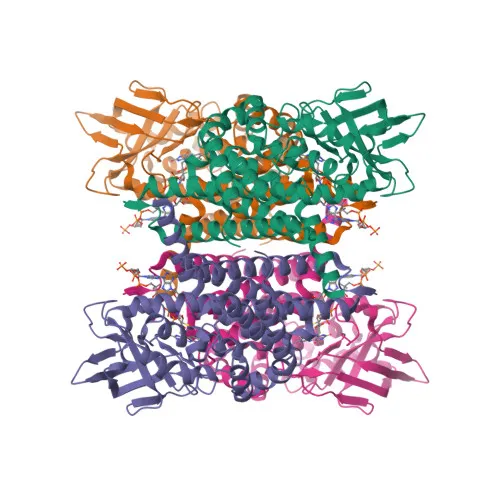
- ACADS encodes short-chain specific acyl-CoA dehydrogenase (SCAD), a mitochondrial matrix enzyme also known as butyryl-CoA dehydrogenase.
- SCAD catalyzes the first step of mitochondrial fatty acid beta-oxidation, specifically acting on straight-chain acyl-CoAs with saturated 4 to 6 carbon long primary chains, removing hydrogen to form trans-2-enoyl-CoA and enabling energy production from fats. Related references: PMID:11134486, PMID:21237683
- It belongs to the acyl-CoA dehydrogenase family of flavoproteins, utilizing FAD as a cofactor for its oxidoreductase activity.
- SCAD is nuclear-encoded and imported into the mitochondrial matrix via a transit peptide, as indicated by proteomics and sequence analysis.
- Post-translational modifications include acetylation and phosphorylation, which may regulate its activity or stability.
- Variants in ACADS are associated with short-chain acyl-CoA dehydrogenase deficiency, a metabolic disorder, underscoring its clinical relevance in mitochondrial fatty acid metabolism.
- The protein is part of the lipid metabolism and fatty acid metabolism pathways, as reflected in its UniProt keywords.
Experimental Guidance and Technical Tips
- The immunogen spans the N-terminal region (amino acids 1–260) of human ACADS; consider that reactivity may be influenced by post-translational modifications or partial proteolysis in the mitochondrial matrix.
- For western blotting, a band near 44 kDa is expected; always run appropriate positive (e.g., human, mouse, rat tissue lysates) and negative controls to confirm specificity.
- When performing immunoprecipitation or ELISA, optimization of antibody concentration and incubation conditions is recommended, as polyclonal antibodies can exhibit lot-to-lot variability.
- Enrichment of mitochondrial fractions may enhance signal due to the protein's subcellular localization.
CamelBio: Your One-Stop Sourcing Bridge
CamelBio empowers diagnostic manufacturers and research laboratories with reliable access to IVD raw materials, including validated polyclonal antibodies like this anti-ACADS rabbit antibody for fatty acid oxidation studies. We offer one-stop sourcing from antibody pairs to bulk ancillary reagents, streamlining your development from concept to clinic with a focus on rare-targets and metabolic research tools.
REQUEST A QUOTE
Our professional team will reply to you within one business day. Please feel free to contact us!