Polyclonal Antibodies
Anti-ACAD11 Rabbit Polyclonal Antibody for WB and ELISA - Q709F0
Item Number : CM0013012
Price varies based on specs and customizations
- Application
- WB, ELISA
- Cross Reactivity
- Human, Mouse, Rat
- Protein Weight
- 87kDa

Shipping:
Contact us to get shipping details Enjoy On-time Dispatch Guarantee.
Why Choose Us
Easy ordering process, quality products, and dedicated support for your business success.
Core Product Specifications and Parameters
| Parameter | Specification |
|---|---|
| Product Name | ACAD11 Rabbit pAb |
| Remarks/Alias | ACAD-11; ACAD11 |
| Species | Human |
| Gene ID (Human) | 84129 |
| Immunogen | Recombinant fusion protein containing a sequence corresponding to amino acids 1-230 of human ACAD11 (NP_115545.3) |
| Source | Rabbit |
| Category | Polyclonal Antibodies |
| Application | WB, ELISA |
| Cross Reactivity | Human, Mouse, Rat |
| SWISS | Q709F0 |
| Protein Weight | 87kDa |
| Shipping | Ice bag |
Biological Background: ACAD11 Function and Localization
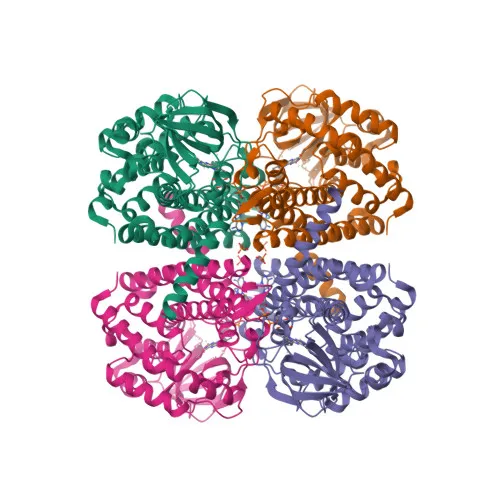
- ACAD11 (Acyl-CoA dehydrogenase family member 11) is a mitochondrial enzyme that catalyzes the initial and rate-limiting step of fatty acid β-oxidation: the α,β-dehydrogenation of fatty acyl-CoA thioesters, with electron transfer flavoprotein (ETF) as the electron acceptor. Related references: PMID:21237683
- It exhibits maximal catalytic activity toward long-chain saturated docosanoyl-CoA (C22:0) in both cerebellum and liver, indicating a preference for very long-chain fatty acid substrates. Related references: PMID:21237683
- ACAD11 partially overlaps in substrate specificity with ACADV and ACADL, but serves as the principal long-chain acyl-CoA dehydrogenase in tissues where it is predominantly expressed, such as the central nervous system, where it functions alongside ACAD9 to cover a broad range of long-chain fatty acids. Related references: PMID:21237683
- It is localized to both the mitochondrial membrane and peroxisomes, suggesting dual organellar roles in lipid metabolism.
- Tissue expression is ubiquitous with highest levels in brain (white matter of cerebellum), followed by liver, heart, and kidney, consistent with its critical role in CNS energy homeostasis.
- ACAD11 is a flavoprotein containing FAD as a cofactor and is subject to post-translational modifications including acetylation and phosphorylation, with multiple isoforms produced by alternative splicing.
Experimental Guidance and Technical Tips
- For Western blot analysis, a band corresponding to ~87 kDa should be detected; validate with positive control lysates from human brain or liver tissue, which naturally express ACAD11.
- Given the polyclonal nature of this antibody, consider confirming specificity by using blocking peptides or comparing with knockout/knockdown models where feasible.
- When performing ELISA, optimize the coating antigen concentration and antibody dilution using recombinant ACAD11 protein or tissue extracts.
- The reported cross-reactivity with mouse and rat samples should be verified in your specific experimental system.
CamelBio: Your One-Stop Sourcing Bridge
CamelBio provides diagnostic manufacturers, laboratories, and research institutes with one-stop access to IVD raw materials, technical services, and consulting—covering every stage from concept to clinic. This anti-ACAD11 antibody supports research into fatty acid oxidation disorders, CNS metabolic diseases, and lipid metabolism studies. We offer validated antibody pairs, optimized monoclonal and polyclonal antibodies, bulk ancillary reagents, and rare target sourcing to accelerate your assay development.
REQUEST A QUOTE
Our professional team will reply to you within one business day. Please feel free to contact us!