Polyclonal Antibodies
Anti-ACAA2 Rabbit Polyclonal Antibody for WB, IHC-P, IF/ICC, ELISA - P42765
Item Number : CM0021020
Price varies based on specs and customizations
- Application
- WB, IHC-P, IF/ICC, ELISA
- Cross Reactivity
- Human, Mouse, Rat
- Protein Weight
- 42kDa

Shipping:
Contact us to get shipping details Enjoy On-time Dispatch Guarantee.
Why Choose Us
Easy ordering process, quality products, and dedicated support for your business success.
Core Product Specifications and Parameters
| Parameter | Value |
|---|---|
| Product Name | ACAA2 Rabbit pAb |
| Remarks/Alias | DSAEC; ACAA2 |
| Species | Human |
| GeneID (Human) | 10449 |
| GeneID | 10449 |
| Immunogen | Recombinant fusion protein containing a sequence corresponding to amino acids 1-250 of human ACAA2 (NP_006102.2) |
| Source | Rabbit |
| Category | Polyclonal Antibodies |
| Application | WB, IHC-P, IF/ICC, ELISA |
| Cross Reactivity | Human, Mouse, Rat |
| SWISS | P42765 |
| Protein Weight | 42kDa |
| Shipping | Ice bag |
Biological Background: ACAA2 Function and Localization
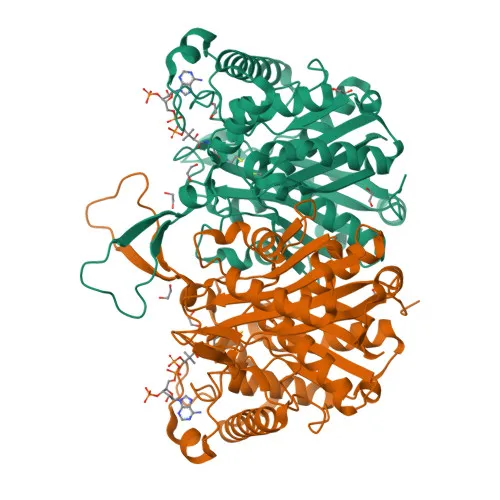
- ACAA2 (acetyl-CoA acyltransferase 2), also known as 3-ketoacyl-CoA thiolase, mitochondrial acetyl-CoA acetyltransferase, or beta-ketothiolase, is a key enzyme encoded by the ACAA2 gene in humans.
- It catalyzes the final step of mitochondrial fatty acid beta-oxidation, cleaving medium- to long-chain 3-oxoacyl-CoAs into acetyl-CoA and shortened acyl-CoA, thereby playing a central role in energy production from fats.
- ACAA2 can also catalyze the condensation of two acetyl-CoA molecules into acetoacetyl-CoA, suggesting involvement in ketone body biosynthesis.
- The protein localizes to the mitochondrion, consistent with its function in lipid metabolism and energy homeostasis.
- ACAA2 has been shown to abolish BNIP3-mediated apoptosis and mitochondrial damage, indicating a potential role in cell survival pathways. Related references: PMID:18371312
- In addition to its thiolase activity, ACAA2 displays hydrolase activity on various fatty acyl-CoAs, which may contribute to acetate production as a side reaction of beta-oxidation. Related references: PMID:25478839
- Post-translational modifications include acetylation and phosphorylation, which may regulate its enzymatic activity and subcellular dynamics.
Experimental Guidance and Technical Tips
- The immunogen used is a recombinant fusion protein covering amino acids 1-250 of human ACAA2. Consider this when designing validation assays or epitope mapping studies.
- For Western blot (WB) applications, a band at approximately 42 kDa is expected; validate the band pattern in your cell or tissue lysates.
- In immunohistochemistry (IHC-P) and immunofluorescence (IF/ICC), optimize antigen retrieval conditions and antibody dilution to achieve specific mitochondrial staining.
- When using ELISA, ensure that the coating antigen and detection system are compatible with the host species (rabbit) and target recognition.
- Cross-reactivity with mouse and rat has been reported; verify reactivity in the relevant species and sample type for your study.
CamelBio: Your One-Stop Sourcing Bridge
CamelBio offers a comprehensive portfolio of IVD raw materials, including validated antibodies, antigens, and ancillary reagents, to accelerate your development of diagnostic assays and research tools. With this anti-ACAA2 antibody, we support projects focused on mitochondrial metabolism, fatty acid oxidation disorders, and related areas. As a trusted partner, CamelBio can also source rare targets and provide bulk supply solutions to meet your program's needs from concept to clinic.
Product Datasheet
Anti-ACAA2 Rabbit Polyclonal Antibody for WB, IHC-P, IF/ICC, ELISA - P42765
REQUEST A QUOTE
Our professional team will reply to you within one business day. Please feel free to contact us!