Polyclonal Antibodies
Anti-AARS/AARS1 Rabbit Polyclonal Antibody for WB, IF/ICC, IHC-P, ELISA - P49588
Item Number : CM0015108
Price varies based on specs and customizations
- Application
- WB, IF/ICC, IHC-P, ELISA
- Cross Reactivity
- Human, Mouse, Rat
- Protein Weight
- 107 kDa

Shipping:
Contact us to get shipping details Enjoy On-time Dispatch Guarantee.
Why Choose Us
Easy ordering process, quality products, and dedicated support for your business success.
Core Product Specifications and Parameters
| Parameter | Value |
|---|---|
| Product Name | AARS Rabbit pAb |
| Remarks/Alias | AARS; TTD8; CMT2N; DEE29; HDLS2; EIEE29 |
| Species | Human |
| Gene ID | 16 |
| Immunogen | Synthetic Peptide |
| Source | Rabbit |
| Category | Polyclonal Antibodies |
| Application | WB, IF/ICC, IHC-P, ELISA |
| Cross Reactivity | Human, Mouse, Rat |
| SWISS | P49588 |
| Protein Weight | 107 kDa |
| Shipping | Ice bag |
Biological Background: Alanine--tRNA ligase, cytoplasmic Function and Localization
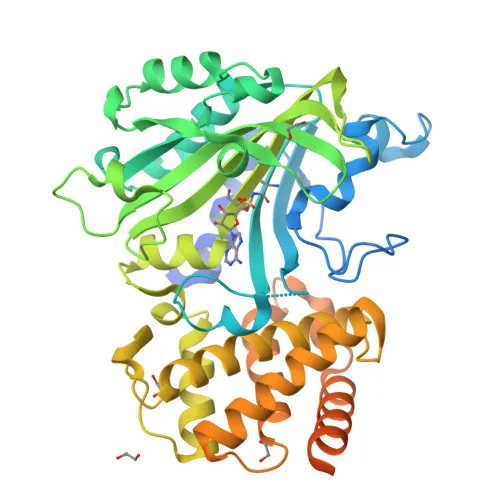
- Alanine--tRNA ligase, cytoplasmic (AARS1/AARS), also known as alanyl-tRNA synthetase (AlaRS), is a multifunctional enzyme encoded by the AARS1 gene.
- Its canonical function is to catalyze the ATP-dependent attachment of alanine to its cognate tRNA(Ala), a step essential for protein translation. It also possesses an editing domain to hydrolyze mischarged tRNA(Ala). Related references: PMID:27622773, PMID:27911835, PMID:28493438
- Under high lactate conditions, AARS1 moonlight as a protein lactyltransferase, transferring lactyl groups to lysine residues of target proteins. This non-canonical activity regulates transcription factors such as TP53/p53, TEAD1, and YAP1. Related references: PMID:38512451, PMID:38653238, PMID:39322678
- The protein localizes to both the cytoplasm and nucleus, consistent with its roles in translation and transcriptional regulation.
- Post-translational modifications of AARS1 include acetylation, phosphorylation, methylation, and ubiquitination, which may modulate its enzymatic activities and interactions.
- Mutations in AARS1 are associated with a spectrum of neurological disorders, including Charcot-Marie-Tooth disease type 2N (CMT2N), developmental and epileptic encephalopathy 29 (DEE29), and hypomyelinating leukodystrophy (HDLS2), highlighting its importance in neuronal homeostasis.
- It requires zinc and ATP as cofactors for its aminoacylation and editing functions.
Experimental Guidance and Technical Tips
- The immunogen is a synthetic peptide spanning amino acids 1–100 at the N-terminus of human AARS. This region may be subject to post-translational modifications; verify detection of modified forms in your experimental system.
- For Western blotting, the expected molecular weight is ~107 kDa. Endogenous AARS1 is ubiquitously expressed; ensure sufficient loading for tissues with lower expression.
- In immunocytochemistry/immunofluorescence (ICC/IF), paraformaldehyde fixation is typically compatible. Since AARS1 shuttles between the nucleus and cytoplasm, cellular localization may vary depending on metabolic state (e.g., lactate levels).
- For immunohistochemistry (IHC), antigen retrieval conditions should be optimized due to the N-terminal epitope. Consider using a citrate-based buffer at pH 6.0.
- When using for ELISA, pair with a validated capture or detection antibody to ensure specificity.
CamelBio: Your One-Stop Sourcing Bridge
CamelBio connects diagnostic developers and researchers with premium IVD raw materials, offering validated antibody pairs, monoclonal and polyclonal antibodies, and bulk ancillary reagents. This anti-AARS polyclonal antibody supports studies on aminoacyl-tRNA synthetases, protein lactylation, and neurological disease mechanisms. For specialized needs—such as rare-target sourcing or custom development—our team provides seamless procurement support from concept to clinic.
Product Datasheet
Anti-AARS/AARS1 Rabbit Polyclonal Antibody for WB, IF/ICC, IHC-P, ELISA - P49588
REQUEST A QUOTE
Our professional team will reply to you within one business day. Please feel free to contact us!