Monoclonal Antibodies
Anti-α-Actin-1 (ACTA1) Rabbit Monoclonal Antibody for WB, IF/ICC, IF-P, ELISA - P68133
Item Number : CM0007180
Price varies based on specs and customizations
- Application
- WB, IF/ICC, IF-P, ELISA
- Cross Reactivity
- Human, Mouse, Rat
- Protein Weight
- 42kDa

Shipping:
Contact us to get shipping details Enjoy On-time Dispatch Guarantee.
Why Choose Us
Easy ordering process, quality products, and dedicated support for your business success.
Core Product Specifications and Parameters
| Parameter | Value |
|---|---|
| Product Name | α-Actin-1 (ACTA1) Rabbit mAb |
| Remarks/Alias | ACTA; ASMA; CFTD; MPFD; NEM1; NEM2; NEM3; SHPM; CFTD1; CFTDM; CMYP2A; CMYP2B; CMYP2C; α-Actin-1 (ACTA1) |
| Species | Human |
| Gene ID (Human) | 58 |
| Gene ID | 58 |
| Immunogen | Synthetic Peptide | A synthetic peptide corresponding to a sequence within amino acids 1-100 of human α-Actin-1 (ACTA1) (P68133) |
| Source | Rabbit |
| Category | Monoclonal Antibodies |
| Application | WB, IF/ICC, IF-P, ELISA |
| Cross Reactivity | Human, Mouse, Rat |
| SWISS | P68133 |
| Protein Weight | 42kDa |
| Shipping | Ice bag |
Biological Background: α-Actin-1 (ACTA1) Function and Localization
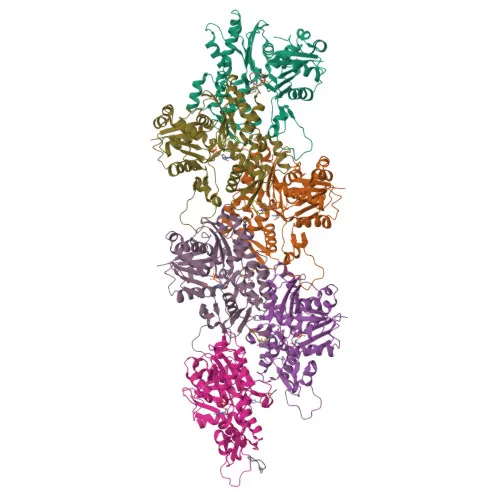
- α-Actin-1 (ACTA1) is a skeletal muscle-specific actin isoform, belonging to the highly conserved actin family that is central to cell motility and cytoskeletal architecture.
- It serves as a core component of the thin filament in sarcomeres, essential for muscle contraction and force generation.
- ACTA1 is one of six actin isoforms; the others include cardiac muscle α-actin, smooth muscle α- and γ-actins, and cytoplasmic β- and γ-actins.
- Subcellularly, ACTA1 localizes predominantly to the cytoplasmic cytoskeleton, particularly in skeletal muscle fibers.
- The protein undergoes multiple post-translational modifications such as acetylation, methylation, oxidation, and isopeptide bond formation, which may regulate its polymerization and interactions.
- Mutations in ACTA1 are associated with nemaline myopathy and other congenital myopathies, highlighting its critical role in muscle structural integrity.
- It possesses ATP-binding and nucleotide-binding sites, indicative of its enzymatic hydrolase activity during actin dynamics.
Experimental Guidance and Technical Tips
- The immunogen used corresponds to the N-terminal region (aa 1-100) of human ACTA1, a sequence well-conserved across human, mouse, and rat, supporting the observed cross-reactivity.
- For Western blotting, a band of approximately 42 kDa is expected; use skeletal muscle tissue lysates as a positive control.
- In immunofluorescence (IF/ICC, IF-P), ensure cells or tissue sections are adequately permeabilized to allow antibody access to cytoplasmic actin filaments.
- For ELISA applications, coat plates with the synthetic peptide or recombinant protein and titrate the antibody to determine optimal working dilution.
- It is advisable to validate the antibody's performance in your specific experimental system, as reactivity may vary with sample preparation and fixation conditions.
CamelBio: Your One-Stop Sourcing Bridge
CamelBio streamlines the procurement of high-quality IVD raw materials for diagnostic developers and research laboratories, providing one-stop access to antibodies, antigens, and ancillary reagents. With a focus on muscle biology and neuromuscular disorders, this anti-ACTA1 rabbit monoclonal antibody exemplifies our commitment to supporting rare target sourcing and assay development. From concept to clinic, our integrated supply chain and technical expertise help accelerate your progress.
REQUEST A QUOTE
Our professional team will reply to you within one business day. Please feel free to contact us!