Monoclonal Antibodies
Anti-14-3-3 Theta Rabbit Monoclonal Antibody for WB, IF/ICC, ELISA - P27348
Item Number : CM0011065
Price varies based on specs and customizations
- Application
- WB, IF/ICC, ELISA
- Cross Reactivity
- Human, Mouse, Rat
- Protein Weight
- 28kDa

Shipping:
Contact us to get shipping details Enjoy On-time Dispatch Guarantee.
Why Choose Us
Easy ordering process, quality products, and dedicated support for your business success.
Core Product Specifications and Parameters
| Parameter | Specification |
|---|---|
| Product Name | 14-3-3 Theta Rabbit mAb |
| Remarks/Alias | 1C5; HS1; 14-3-3; 14-3-3 Theta |
| Species | Human |
| Gene ID (Human) | 10971 |
| Immunogen | Synthetic peptide corresponding to a sequence within amino acids 1-100 of human 14-3-3 Theta (P27348) |
| Source | Rabbit |
| Category | Monoclonal Antibodies |
| Application | WB, IF/ICC, ELISA |
| Cross Reactivity | Human, Mouse, Rat |
| SWISS | P27348 |
| Protein Weight | 28kDa |
| Shipping | Ice bag |
Biological Background: 14-3-3 Theta Function and Localization
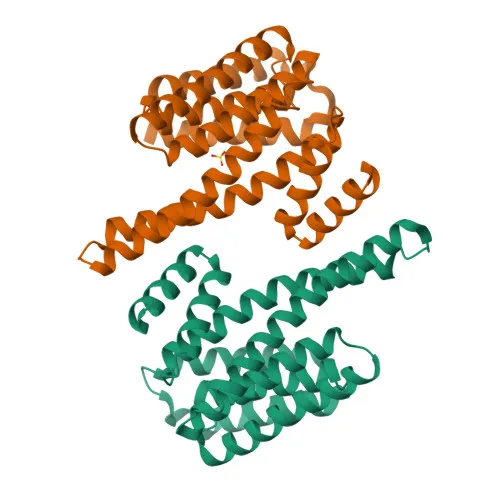
- 14-3-3 protein theta (YWHAQ) is a member of the 14-3-3 family of adapter proteins, also known as 14-3-3 protein T-cell or protein HS1.
- It functions as a versatile adapter that regulates a broad spectrum of signaling pathways by binding to phosphoserine or phosphothreonine motifs on partner proteins.
- One key interaction includes negative regulation of the kinase activity of PDPK1, influencing downstream signaling cascades.
- The protein is predominantly localized to the cytoplasm and is abundantly expressed in the brain, heart, and pancreas, with lower levels in kidney and placenta.
- It undergoes various post-translational modifications, including phosphorylation, acetylation, nitration, and ubiquitin-like conjugation, which may modulate its function and interactions.
- Notably, 14-3-3 theta expression is upregulated in the lumbar spinal cord of patients with sporadic amyotrophic lateral sclerosis (ALS), particularly in cases with predominant lower motor neuron involvement, suggesting a role in neurodegeneration.
Experimental Guidance and Technical Tips
- For Western blot, expect a specific band near 28 kDa; consider using a high-quality blocking buffer and optimizing primary antibody concentration.
- In immunofluorescence/ICC, anticipate cytoplasmic staining; validate fixation and permeabilization conditions for your cell type to preserve epitope integrity.
- The peptide immunogen (aa 1-100) may support ELISA applications; verify linear range and specificity with appropriate antigen controls in your assay system.
- Cross-reactivity with mouse and rat allows translational studies, but always confirm reactivity in your experimental model.
CamelBio: Your One-Stop Sourcing Bridge
CamelBio supports diagnostic manufacturers and researchers with reliable access to IVD raw materials, including validated monoclonal antibodies like this anti-14-3-3 theta clone. Our integrated supply capabilities extend to antibody pairs, ancillary reagents, and rare-target sourcing, helping streamline your development workflow from early research through clinical application. Reach out to explore bulk options or customized solutions tailored to your neuroscience and cell signaling projects.
Product Datasheet
Anti-14-3-3 Theta Rabbit Monoclonal Antibody for WB, IF/ICC, ELISA - P27348
REQUEST A QUOTE
Our professional team will reply to you within one business day. Please feel free to contact us!