Polyclonal Antibodies
Anti-14-3-3 Theta Polyclonal Antibody for WB, ELISA - P27348
Item Number : CM0022464
Price varies based on specs and customizations
- Application
- WB, ELISA
- Cross Reactivity
- Human, Mouse, Rat
- Protein Weight
- 28kDa

Shipping:
Contact us to get shipping details Enjoy On-time Dispatch Guarantee.
Why Choose Us
Easy ordering process, quality products, and dedicated support for your business success.
Core Product Specifications and Parameters
| Parameter | Value |
|---|---|
| Product Name | 14-3-3 Theta Rabbit pAb |
| Remarks/Alias | 1C5; HS1; 14-3-3; 14-3-3 Theta |
| Species | Human |
| GeneID | 10971 |
| Immunogen | A synthetic peptide corresponding to a sequence within amino acids 49-149 of human 14-3-3 Theta (NP_006817.1). |
| Source | Rabbit |
| Category | Polyclonal Antibodies |
| Application | WB, ELISA |
| Cross Reactivity | Human, Mouse, Rat |
| SWISS | P27348 |
| Protein Weight | 28kDa |
| Shipping | Ice bag |
Biological Background: 14-3-3 Theta Function and Localization
- 14-3-3 protein theta, also designated 14-3-3 protein T-cell, 14-3-3 protein tau, or Protein HS1, is encoded by the YWHAQ gene.
- It functions as an adapter protein in numerous signaling pathways, typically binding to phosphoserine- or phosphothreonine-containing motifs on partner proteins, thereby modulating their activity.
- Specifically, 14-3-3 theta negatively regulates the kinase activity of PDPK1, impacting downstream signaling networks.
- The protein localizes primarily to the cytoplasm, consistent with its role in intracellular signal transduction.
- Expression is abundant in brain, heart, and pancreas, with lower levels in kidney and placenta. Notably, it is upregulated in the lumbar spinal cord of sporadic ALS patients, particularly in those with predominant lower motor neuron involvement.
- Post-translational modifications include acetylation, nitration, phosphorylation, and ubiquitin-like conjugation, as well as isopeptide bond formation, which likely regulate its interactions and stability.
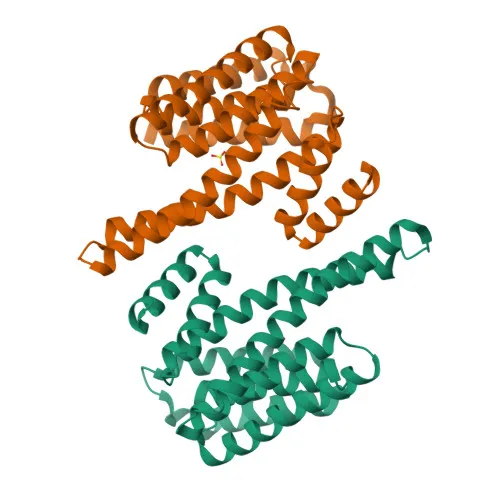
- A three-dimensional structure is available, providing insights into its phosphopeptide-binding groove and dimeric architecture.
Experimental Guidance and Technical Tips
- The immunogen (a synthetic peptide spanning amino acids 49–149 of human 14-3-3 theta) targets a specific region, possibly suitable for detecting linear epitopes in denaturing Western blot (WB) conditions.
- For ELISA, consider using the immunogen peptide as a positive control or coating antigen to validate assay specificity.
- With reported cross-reactivity to mouse and rat, this antibody can be employed in comparative studies; confirm reactivity in the relevant tissue or cell line before quantitative analysis.
- The predicted molecular weight is ~28 kDa; verify band size using appropriate molecular weight markers and consider that post-translational modifications may cause slight shifts.
- As 14-3-3 theta is cytoplasmic, subcellular fractionation or immunoprecipitation may enrich the target and improve detection sensitivity in complex samples.
- Polyclonal antibodies may exhibit lot-to-lot variation; include proper blocking and washing optimization to minimize nonspecific binding.
CamelBio: Your One-Stop Sourcing Bridge
CamelBio offers a streamlined procurement platform for IVD raw materials, from validated antibody pairs and optimized polyclonal antibodies to bulk ancillary reagents. This anti-14-3-3 theta antibody, relevant for signaling research in neuroscience and oncology, exemplifies our commitment to providing critical reagents for diagnostic development. Whether you require established catalog products or customized sourcing for rare targets, CamelBio accelerates your journey from concept to clinic.
REQUEST A QUOTE
Our professional team will reply to you within one business day. Please feel free to contact us!