Monoclonal Antibodies
Anti-14-3-3 sigma Rabbit Monoclonal Antibody for WB, IHC-P, ELISA - P31947
Item Number : CM0005375
Price varies based on specs and customizations
- Application
- WB, IHC-P, ELISA
- Cross Reactivity
- Human, Mouse
- Protein Weight
- 28kDa

Shipping:
Contact us to get shipping details Enjoy On-time Dispatch Guarantee.
Why Choose Us
Easy ordering process, quality products, and dedicated support for your business success.
Core Product Specifications and Parameters
| Parameter | Value |
|---|---|
| Product Name | 14-3-3 sigma Rabbit mAb |
| Remarks/Alias | YWHAS; 14-3-3 sigma |
| Species | Human |
| GeneID (Human) | 2810 |
| GeneID | 2810 |
| Immunogen | Synthetic Peptide|A synthetic peptide corresponding to a sequence within amino acids 1-100 of human 14-3-3 sigma (P31947). |
| Source | Rabbit |
| Category | Monoclonal Antibodies |
| Application | WB, IHC-P, ELISA |
| Cross Reactivity | Human, Mouse |
| SWISS | P31947 |
| Protein Weight | 28kDa |
| Shipping | Ice bag |
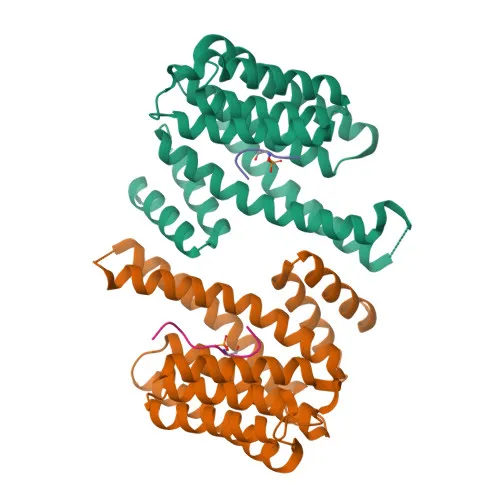
Biological Background: 14-3-3 sigma Function and Localization
- 14-3-3 sigma (also known as Stratifin or Epithelial cell marker protein 1) is an adapter protein encoded by the SFN gene, predominantly expressed in tissues enriched in stratified squamous keratinizing epithelium.
- It functions by binding phosphoserine/phosphothreonine motifs on a broad range of signaling partners, generally modulating their activity, and is implicated in pathways such as cell cycle, apoptosis, and growth signaling (PubMed:15731107, PubMed:22634725, PubMed:28202711). Related references: PMID:15731107, PMID:22634725, PMID:28202711
- It acts as a TP53/p53-regulated inhibitor of G2/M cell cycle progression, contributing to the DNA damage checkpoint (PubMed:9659898). Related references: PMID:9659898
- 14-3-3 sigma promotes cytosolic retention of GBP1 GTPase by binding to phosphorylated GBP1, thereby inhibiting the innate immune response (PubMed:37797010). Related references: PMID:37797010
- In epithelial cells, it maintains desmosome cell junction adhesion by interacting with and sequestering PKP3 to the cytoplasm, which facilitates exchange at desmosome plaques and preserves intercellular adhesion (PubMed:24124604, PubMed:29678907). Related references: PMID:24124604, PMID:29678907
- The protein may regulate MDM2 autoubiquitination and degradation, thereby activating p53/TP53 (PubMed:18382127). Related references: PMID:18382127
- Subcellular localization includes the cytoplasm, nucleus, and secretion, consistent with its diverse roles in signal transduction and intercellular communication.
- Key post-translational modifications include phosphorylation and ubiquitin conjugation, which fine-tune its functions and interactions.
- Tissue expression is largely restricted to stratified squamous epithelia, making it a useful marker for epithelial differentiation and pathology studies.
Experimental Guidance and Technical Tips
- The immunogen is a synthetic peptide mapping to the N-terminal region (amino acids 1-100) of human 14-3-3 sigma. This region may contain critical phosphoepitopes; ensure your sample preparation preserves phosphorylation states if relevant.
- For Western blot (WB), anticipate a band around 28 kDa (calculated molecular weight is ~27.8 kDa). Validate with appropriate positive controls, such as lysates from stratified epithelial tissue or cell lines (e.g., HaCaT, A431) where endogenous expression is expected.
- For immunohistochemistry (IHC-P), consider antigen retrieval methods (e.g., citrate buffer, pH 6.0) and verify specificity using skin, esophagus, or other squamous epithelium as positive control tissues.
- In ELISA, the peptide-based immunogen allows direct coating of the peptide for standard assay setups; titrate antibody concentration to optimize signal-to-noise.
- Cross-reactivity with mouse 14-3-3 sigma is reported; however, sequence alignment across species is recommended before applying to other model organisms.
CamelBio: Your One-Stop Sourcing Bridge
CamelBio is a dedicated IVD raw-material sourcing partner for diagnostic manufacturers and research laboratories, offering validated antibody pairs, optimized monoclonal/polyclonal antibodies, bulk ancillary reagents, and custom procurement of rare targets. To support your 14-3-3 sigma research in cancer biology, cell signaling, and epithelial differentiation, CamelBio provides reliable access to this and other related products, streamlining your path from discovery to assay development.
Product Datasheet
Anti-14-3-3 sigma Rabbit Monoclonal Antibody for WB, IHC-P, ELISA - P31947
REQUEST A QUOTE
Our professional team will reply to you within one business day. Please feel free to contact us!