Polyclonal Antibodies
Anti-14-3-3 epsilon Rabbit Polyclonal Antibody for WB, IF/ICC, ELISA - P62258
Item Number : CM0016427
Price varies based on specs and customizations
- Application
- WB, IF/ICC, ELISA
- Cross Reactivity
- Human, Mouse, Rat
- Protein Weight
- 29kDa

Shipping:
Contact us to get shipping details Enjoy On-time Dispatch Guarantee.
Why Choose Us
Easy ordering process, quality products, and dedicated support for your business success.
Core Product Specifications and Parameters
| Parameter | Value |
|---|---|
| Product Name | 14-3-3 epsilon Rabbit pAb |
| Remarks/Alias | MDS; HEL2; MDCR; KCIP-1; 14-3-3E; 14-3-3 epsilon |
| Species | Human |
| GeneID (Human) | 7531 |
| GeneID | 7531 |
| Immunogen | Recombinant protein|Recombinant fusion protein containing a sequence corresponding to amino acids 73-163 of human 14-3-3 epsilon (NP_006752.1) |
| Source | Rabbit |
| Category | Polyclonal Antibodies |
| Application | WB, IF/ICC, ELISA |
| Cross Reactivity | Human, Mouse, Rat |
| SWISS | P62258 |
| Protein Weight | 29kDa |
| Shipping | Ice bag |
Biological Background: 14-3-3 epsilon Function and Localization
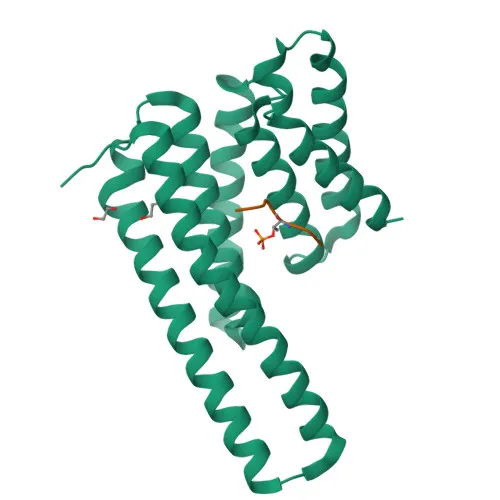
- 14-3-3 epsilon (gene YWHAE) is a 29 kDa adapter protein belonging to the 14-3-3 family, which recognizes phosphoserine/threonine motifs to modulate partner protein activity. Related references: PMID:35343654
- Functions as a central signaling regulator, binding numerous partners to influence pathways such as cell cycle control, apoptosis, and innate immunity (PubMed:21189250). Related references: PMID:21189250
- Positively regulates the antiviral response by directing RIGI redistribution to mitochondrial membranes, facilitating MAVS-dependent signaling (PubMed:22607805, PubMed:37555661). Related references: PMID:22607805 PMID:37555661
- Mediates nuclear export of phosphorylated HSF1, a key step in heat shock response attenuation (PubMed:12917326). Related references: PMID:12917326
- Promotes cell proliferation inhibition and cell cycle arrest by exporting HNRNPC from the nucleus for ubiquitination-dependent degradation (PubMed:37599448). Related references: PMID:37599448
- Localizes to the nucleus, cytoplasm, and melanosomes, reflecting its dynamic shuttling and diverse functional contexts.
- Post-translational modifications include acetylation, phosphorylation, and ubiquitination (isopeptide bond), which regulate its interactions and stability.
Experimental Guidance and Technical Tips
- The immunogen (aa 73‑163) targets a conserved central region, suggesting suitability for detecting human, mouse, and rat 14-3-3 epsilon in Western blotting. For optimal band detection at ~29 kDa, consider using a 12% SDS‑PAGE gel and appropriate membrane transfer conditions.
- For immunofluorescence/ICC, include permeabilization steps and validate fixation conditions, as 14-3-3 epsilon shuttles between the nucleus and cytoplasm; non‑specific staining may be reduced by titrating the antibody.
- ELISA performance may require optimizing coating conditions due to the polyclonal nature; test with recombinant human 14-3-3 epsilon as a positive control and include proper blocking.
CamelBio: Your One-Stop Sourcing Bridge
CamelBio connects diagnostic manufacturers and researchers with a comprehensive portfolio of IVD raw materials, including validated antibodies for signaling and host‑virus interaction targets such as 14-3-3 epsilon. From bulk ancillary reagents to rare‑target sourcing, our end‑to‑end supply chain provides one‑stop access to support your projects from concept to clinic.
Product Datasheet
Anti-14-3-3 epsilon Rabbit Polyclonal Antibody for WB, IF/ICC, ELISA - P62258
REQUEST A QUOTE
Our professional team will reply to you within one business day. Please feel free to contact us!