Monoclonal Antibodies
Anti-14-3-3 epsilon Monoclonal Antibody for WB, ELISA - P62258
Item Number : CM0008120
Price varies based on specs and customizations
- Application
- WB, ELISA
- Cross Reactivity
- Human, Mouse, Rat
- Protein Weight
- 28kDa

Shipping:
Contact us to get shipping details Enjoy On-time Dispatch Guarantee.
Why Choose Us
Easy ordering process, quality products, and dedicated support for your business success.
Core Product Specifications and Parameters
| Parameter | Value |
|---|---|
| Product Name | 14-3-3 epsilon Rabbit mAb |
| Remarks/Alias | MDS; HEL2; MDCR; KCIP-1; 14-3-3E; 14-3-3 epsilon |
| Species | Human |
| GeneID (human) | 7531 |
| GeneID | 7531 |
| Immunogen | Synthetic Peptide - A synthetic peptide corresponding to a sequence within amino acids 1-100 of human 14-3-3 epsilon (P62258) |
| Source | Rabbit |
| Category | Monoclonal Antibodies |
| Application | WB, ELISA |
| Cross Reactivity | Human, Mouse, Rat |
| SWISS | P62258 |
| Protein Weight | 28kDa |
| Shipping | Ice bag |
Biological Background: 14-3-3 epsilon Function and Localization
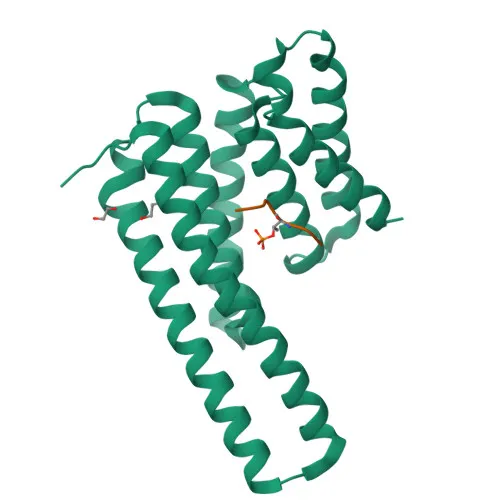
- 14-3-3 epsilon is an adapter protein implicated in regulating a broad spectrum of signaling pathways by binding phosphoserine/threonine motifs on partner proteins, thereby modulating their activity.
Related references: PMID:21189250, PMID:35343654 - It positively regulates the antiviral innate immune response by interacting with RIGI, directing its redistribution to mitochondrial‑associated membranes for MAVS‑dependent signaling, and functions upstream of TBK1.
Related references: PMID:37555661, PMID:22607805 - 14-3-3 epsilon plays a role in proliferation inhibition and cell cycle arrest by exporting HNRNPC from the nucleus to the cytoplasm for ubiquitination‑dependent degradation.
Related references: PMID:37599448 - It positively regulates the nuclear export of phosphorylated HSF1 to the cytoplasm.
Related references: PMID:12917326 - Subcellular localization is predominantly cytoplasmic and nuclear, and the protein has also been detected in melanosomes.
- Post‑translational modifications include acetylation, phosphorylation, and ubiquitination (Ubl conjugation), and alternative splicing generates multiple isoforms.
Experimental Guidance and Technical Tips
- This antibody was raised against a synthetic peptide within the N‑terminal region (amino acids 1–100) of human 14-3-3 epsilon. Based on sequence homology, cross‑reactivity with mouse and rat is expected; however, validation in the relevant sample system is recommended.
- Suitable for Western blot (WB) and ELISA applications. For WB, consider using whole‑cell lysates from human, mouse, or rat cell lines, as the predicted molecular weight is approximately 28 kDa.
- Optimal working dilutions and conditions should be determined experimentally by the end‑user; no specific dilutions are implied.
CamelBio: Your One-Stop Sourcing Bridge
CamelBio serves as a comprehensive sourcing partner for IVD raw materials, offering validated antibody pairs, optimized monoclonal and polyclonal antibodies, and bulk ancillary reagents. For 14-3-3 epsilon, a key adapter protein in cell signaling and innate immunity, we support diagnostic developers with reliable raw materials and customized sourcing solutions to accelerate assay development from concept to clinic.
REQUEST A QUOTE
Our professional team will reply to you within one business day. Please feel free to contact us!