Monoclonal Antibodies
Anti-14-3-3-beta/zeta Rabbit Monoclonal Antibody for WB, ELISA - P31946 / P63104
Item Number : CM0004100
Price varies based on specs and customizations
- Application
- WB, ELISA
- Cross Reactivity
- Human, Mouse, Rat
- Protein Weight
- 28kDa

Shipping:
Contact us to get shipping details Enjoy On-time Dispatch Guarantee.
Why Choose Us
Easy ordering process, quality products, and dedicated support for your business success.
Core Product Specifications and Parameters
| Parameter | Value |
|---|---|
| Product Name | 14-3-3-beta/zeta Rabbit mAb |
| Remarks/Alias | GW128; HEL-S-1; HS1; KCIP-1; YWHAA; 14-3-3-beta/zeta |
| Species | Human |
| GeneID (Human) | 7529/7534 |
| Gene ID | 7529/7534 |
| Immunogen | Synthetic Peptide|A synthetic peptide corresponding to a sequence within amino acids 1-100 of human 14-3-3 beta/zeta (P31946). |
| Source | Rabbit |
| Category | Monoclonal Antibodies |
| Application | WB, ELISA |
| Cross Reactivity | Human, Mouse, Rat |
| SWISS | P31946/P63104 |
| Protein Weight | 28kDa |
| Shipping | Ice bag |
Biological Background: 14-3-3 beta/zeta Function and Localization
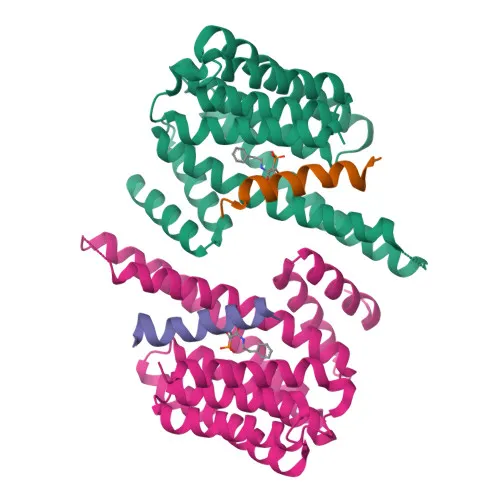
- The 14-3-3 protein beta/alpha (gene YWHAB) and zeta/delta (gene YWHAZ) are highly conserved adapter proteins that regulate diverse signaling pathways by binding phosphorylated serine/threonine motifs.
- 14-3-3 proteins form homo- and heterodimers and interact with numerous partners, modulating their activity, localization, and stability.
- 14-3-3 beta/alpha acts as a negative regulator of osteogenesis and can block apoptosis by preventing nuclear translocation of phosphorylated SRPK2, thereby inhibiting cyclin D1 expression.
- It negatively regulates MAP kinase signaling cascades through interaction with AKAP13.
- Subcellular localization includes the cytoplasm, melanosomes, and vacuole membranes, indicating roles in intracellular trafficking and organelle function.
- Keywords highlight post-translational modifications such as acetylation, phosphorylation, nitration, and ubiquitination, which may regulate its activity and interactions.
- It is implicated in host-virus interactions and has been identified through proteomics.
Experimental Guidance and Technical Tips
- The immunogen corresponds to the N-terminal region (aa 1-100) of 14-3-3 beta, which shares high homology with zeta. This region is likely exposed and suitable for detection of both isoforms in Western blot and ELISA.
- For WB, a band around 28 kDa is expected. Validate the antibody in relevant sample systems (human, mouse, rat) as cross-reactivity is reported.
- Consider optimizing antibody dilution and detection conditions for your specific assay format.
CamelBio: Your One-Stop Sourcing Bridge
CamelBio offers streamlined sourcing for IVD raw materials worldwide, supporting diagnostic manufacturers and laboratories from concept to clinic. This anti-14-3-3 beta/zeta rabbit monoclonal antibody is ideal for research into signaling pathways, apoptosis, and oncology. We provide validated antibody pairs, bulk ancillary reagents, and custom sourcing for rare targets to accelerate your assay development.
Product Datasheet
Anti-14-3-3-beta/zeta Rabbit Monoclonal Antibody for WB, ELISA - P31946 / P63104
REQUEST A QUOTE
Our professional team will reply to you within one business day. Please feel free to contact us!