Polyclonal Antibodies
ALDH3A2 Rabbit Polyclonal Antibody for WB, IF/ICC, ELISA - P51648
Item Number : CM0022707
Price varies based on specs and customizations
- Application
- WB, IF/ICC, ELISA
- Cross Reactivity
- Human, Mouse, Rat
- Protein Weight
- 55kDa

Shipping:
Contact us to get shipping details Enjoy On-time Dispatch Guarantee.
Why Choose Us
Easy ordering process, quality products, and dedicated support for your business success.
Core Product Specifications and Parameters
| Parameter | Value |
|---|---|
| Product Name | ALDH3A2 Rabbit pAb |
| Remarks/Alias | SLS; FALDH; ALDH10; ALDH3A2 |
| Species | Human |
| GeneID (Human) | 224 |
| GeneID | 224 |
| Immunogen | Recombinant fusion protein containing a sequence corresponding to amino acids 250-320 of human ALDH3A2 (NP_001026976.1) |
| Source | Rabbit |
| Category | Polyclonal Antibodies |
| Application | WB, IF/ICC, ELISA |
| Cross Reactivity | Human, Mouse, Rat |
| SWISS | P51648 |
| Protein Weight | 55kDa |
| Shipping | Ice bag |
Biological Background: ALDH3A2 Function and Localization
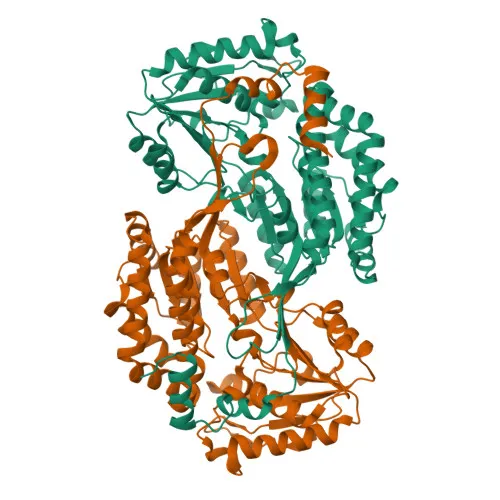
- ALDH3A2 (aldehyde dehydrogenase family 3 member A2), also known as fatty aldehyde dehydrogenase (FALDH) or ALDH10, is a microsomal enzyme encoded by the ALDH3A2 gene.
- It catalyzes the oxidation of medium- and long-chain aliphatic aldehydes (C6–C24) to fatty acids, playing a key role in lipid metabolism. Related references: PMID:18035827, PMID:18182499, PMID:22633490
- ALDH3A2 is responsible for converting hexadecenal, a sphingosine 1-phosphate (S1P) degradation product, to hexadecenoic acid, linking it to sphingolipid metabolism. Related references: PMID:22633490
- The protein localizes to the endoplasmic reticulum and microsome membranes, consistent with its function in fatty aldehyde processing.
- ALDH3A2 is expressed in the liver at the protein level; its deficiency causes Sjögren-Larsson syndrome (SLS), characterized by ichthyosis and intellectual disability.
- The enzyme requires NAD as a cofactor and contains a transmembrane helix; it belongs to the aldehyde dehydrogenase superfamily.
- Alternative splicing of ALDH3A2 generates multiple isoforms, which may have distinct regulatory or functional properties.
Experimental Guidance and Technical Tips
- The immunogen (residues 250-320) is conserved in human, mouse, and rat, explaining cross-reactivity; verify sequence homology if using other species.
- For Western blot, expect a band at ~55 kDa; use liver lysate or ALDH3A2-overexpressing cells as a positive control.
- For IF/ICC, expect ER and microsome membrane staining; co-localization with ER markers (e.g., calnexin) is recommended.
- Optimize antibody dilution empirically; typical starting dilutions are 1:500–1:2000 for WB and 1:50–1:200 for IF/ICC.
- Validate the antibody in your specific experimental context, as genetic variants or post-translational modifications may affect binding.
- Store the antibody at -20°C or -80°C in aliquots after receipt to maintain stability.
CamelBio: Your One-Stop Sourcing Bridge
CamelBio provides diagnostic manufacturers and researchers with a comprehensive portfolio of IVD raw materials, including optimized polyclonal antibodies such as this ALDH3A2 antibody for fatty aldehyde metabolism and Sjögren-Larsson syndrome research. Our one-stop platform offers validated antibody pairs, bulk ancillary reagents, and rare target raw-material sourcing, supporting your project from concept to clinic.
REQUEST A QUOTE
Our professional team will reply to you within one business day. Please feel free to contact us!