Acetylated Antibodies
Acetyl-HMGB1 (Lys29) Rabbit Polyclonal Antibody (P09429) for WB, IF/ICC, ELISA
Item Number : CM0000142
Price varies based on specs and customizations
- Application
- WB, IF/ICC, ELISA
- Cross Reactivity
- Human, Mouse, Rat
- Protein Weight
- 25kDa

Shipping:
Contact us to get shipping details Enjoy On-time Dispatch Guarantee.
Why Choose Us
Easy ordering process, quality products, and dedicated support for your business success.
Core Product Specifications and Parameters
| Parameter | Value |
|---|---|
| Product Name | Acetyl-HMGB1-K29 Rabbit pAb |
| Remarks/Alias | HMG1; HMG3; HMG-1; SBP-1; Acetyl-HMGB1-K29 |
| Species | Human |
| GeneID (human) | 3146 |
| GeneID | 3146 |
| Immunogen | Synthetic Peptide|A synthetic acetylated peptide around K29 of human HMGB1. |
| Source | Rabbit |
| Category | Acetylated Antibodies |
| Application | WB, IF/ICC, ELISA |
| Cross Reactivity | Human, Mouse, Rat |
| SWISS | P09429 |
| Protein Weight | 25kDa |
| Shipping | Ice bag |
Biological Background: High Mobility Group Protein B1 (HMGB1) Function and Localization
-
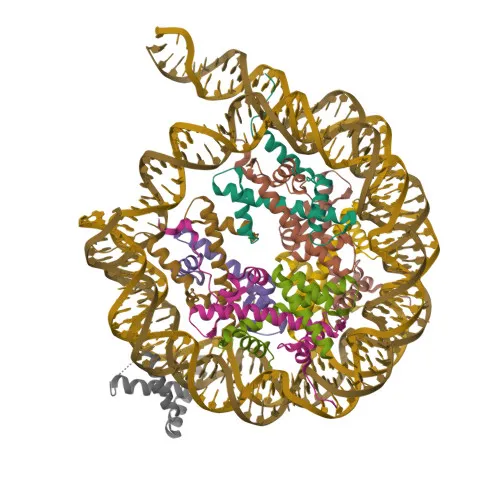
HMGB1 is a highly abundant, ubiquitously expressed non-histone chromosomal protein that functions as a DNA chaperone, regulating transcription, replication, DNA repair, and genome stability. It also acts as an extracellular damage-associated molecular pattern (DAMP) during injury and inflammation. Related references: PMID:33147444, PMID:27362237
-
Subcellular localization of HMGB1 is dynamically regulated. Under basal conditions, it resides predominantly in the nucleus, but it shuttles continuously between nucleus and cytoplasm. Upon certain stimuli or stress, it undergoes post-translational modifications, including acetylation of key lysine residues within its nuclear localization signals (NLS1: aa 28-44, NLS2: aa 179-185), promoting its cytoplasmic accumulation and active secretion via a non-conventional, lysosome-mediated pathway. Related references: PMID:12231511, PMID:17114460
-
Acetylation at Lys29 (K29) is one of several critical modifications that regulate HMGB1 trafficking. Hyperacetylation of the NLS1 region, including K29, disrupts nuclear import and facilitates HMGB1's relocation to the cytoplasm and its eventual release into the extracellular space, where it can exert cytokine-like activities. Related references: UniProt P09429
-
In the extracellular environment, the redox state of HMGB1 dictates its function: fully reduced HMGB1 acts as a chemokine, disulfide HMGB1 as a cytokine, and oxidized HMGB1 promotes immunological tolerance. Extracellular HMGB1 binds to receptors such as RAGE, TLR2, and TLR4 to activate innate immune responses, making it a critical mediator in sepsis, autoimmune diseases, and cancer. Related references: PMID:23446148, PMID:23519706
-
HMGB1 also plays roles in microbial pathogenesis, facilitating the entry of SARS-CoV-2 and other viruses, and regulating autophagy and inflammasome activation. Related references: PMID:35239449, PMID:22696656
Experimental Guidance and Technical Tips
- Due to the reversible nature of acetylation, include deacetylase inhibitors (e.g., trichostatin A, nicotinamide) in lysis buffers to preserve acetylated HMGB1 during sample preparation.
- For Western blotting, the expected molecular weight of HMGB1 is ~25 kDa, but post-translational modifications may cause slight shifts. Use early-log phase or stimulated cells as positive controls.
- In immunofluorescence/ICC, acetyl-HMGB1-K29 signal may be predominantly cytoplasmic or extracellular upon induction of acetylation (e.g., LPS treatment) compared to nuclear staining in resting cells.
- For ELISA applications, consider using this antibody as a capture or detection reagent paired with a pan-HMGB1 antibody to specifically quantify acetylated HMGB1 in biological fluids.
- Cross-reactivity with mouse and rat HMGB1 has been indicated; however, validation in the relevant sample system is recommended.
CamelBio: Your One-Stop Sourcing Bridge
CamelBio serves as a trusted one-stop sourcing platform for IVD raw materials, offering validated antibody pairs, optimized monoclonal and polyclonal antibodies, and bulk ancillary reagents to diagnostic manufacturers and research laboratories. This acetyl-HMGB1-K29 rabbit polyclonal antibody exemplifies our focus on high-quality, post-translationally modified target-specific reagents, applicable for inflammation, oncology, and infectious disease research. For custom specifications, large-scale supply, or complementary reagent needs, please reach out to our technical support team.
REQUEST A QUOTE
Our professional team will reply to you within one business day. Please feel free to contact us!