Acetylated Antibodies
Acetyl-Histone H4-K16 (P62805) Rabbit Polyclonal Antibody for WB and ELISA – Epigenetics Research
Item Number : CM0000189
Price varies based on specs and customizations
- Application
- WB, ELISA
- Cross Reactivity
- Human, Mouse, Rat, Other (Wide Range Predicted)
- Protein Weight
- 11kDa

Shipping:
Contact us to get shipping details Enjoy On-time Dispatch Guarantee.
Why Choose Us
Easy ordering process, quality products, and dedicated support for your business success.
Core Product Specifications and Parameters
| Parameter | Value |
|---|---|
| Product Name | Acetyl-Histone H4-K16 Rabbit pAb |
| Remarks/Alias | H4; H4/n; H4C1; H4C2; H4C3; H4C4; H4C5; H4C6; H4C8; H4C9; H4F2; H4FN; FO108; H4-16; H4C11; H4C12; H4C13; H4C15; H4C16; HIST2H4; HIST2H4A; Acetyl-Histone H4-K16 |
| Species | Human |
| GeneID (human) | H4 |
| GeneID | 8370 |
| Immunogen | A synthetic acetylated peptide around K16 of human Histone H4 (NP_003539.1) |
| Source | Rabbit |
| Category | Acetylated Antibodies |
| Application | WB, ELISA |
| Cross Reactivity | Human, Mouse, Rat, Other (Wide Range Predicted) |
| SWISS | P62805 |
| Protein Weight | 11kDa |
| Shipping | Ice bag |
Biological Background: Histone H4 Function and Localization
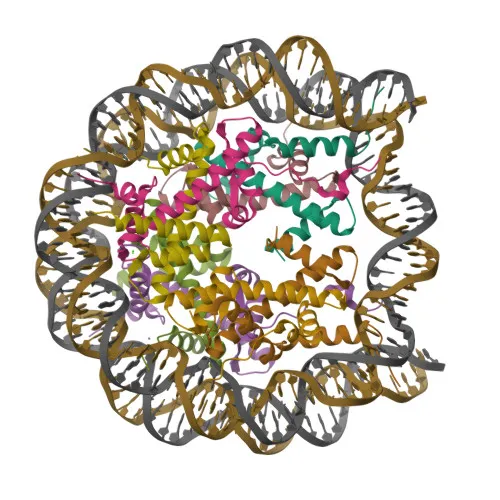
- Nucleosome core component: Histone H4 is one of the four core histones that form the nucleosome octamer, around which DNA is wrapped to form chromatin. This fundamental structure restricts DNA accessibility and thereby regulates transcription, DNA repair, replication, and chromosomal stability. Related references: UniProt P62805
- Subcellular localization: Under steady-state conditions, histone H4 is predominantly found in the nucleus, tightly associated with chromosomes. Acetylation, such as at K16, influences its dynamic localization; for instance, acetylated H4 is observed to localize to the nucleus in step 11 spermatids. Related references: UniProt P62805
- Post-translational modifications and the histone code: Histone H4 is subject to a vast array of post-translational modifications (PTMs) on its N-terminal tail, including acetylation, methylation, phosphorylation, ubiquitylation, and various acylation marks (e.g., crotonylation, butyrylation, succinylation). These modifications constitute a "histone code" that governs chromatin structure and gene expression. Acetylation at specific lysine residues, including K16, is a hallmark of transcriptionally active euchromatin. Related references: UniProt P62805
- Functional significance of K16 acetylation: Acetylation of H4 at lysine 16 (H4K16ac) is particularly critical for higher-order chromatin folding and transcriptional regulation. This modification neutralizes the positive charge of the lysine, disrupting internucleosomal interactions and promoting an open chromatin conformation. It is implicated in dosage compensation, DNA damage repair, and cellular aging. Related references: PMID:2474456, PMID:7664735, PMID:19608861 (general acetylation in histones)
- Evolutionary conservation: The amino acid sequence of histone H4 is remarkably conserved across eukaryotes, from yeast to human, which underpins the wide range of predicted cross-reactivity of this antibody. Related references: UniProt P62805
Experimental Guidance and Technical Tips
- Immunogen design considerations: The antibody was raised against a synthetic acetylated peptide corresponding to residues surrounding lysine 16 of human histone H4. This design ensures specificity for the acetylated state of K16; however, cross-reactivity with unmodified H4 or other acetylated lysines should be assessed in your experimental system.
- Western blot (WB) guidelines: When performing WB, consider using whole-cell histone extracts or acid-extracted histones from human, mouse, or rat cells, as predicted cross-reactivity is broad. Due to the small molecular weight (~11 kDa), use 15% SDS-PAGE or gradient gels for optimal resolution. Validate the specificity by comparing signals against non-acetylated controls or using deacetylase inhibitors (e.g., TSA, sodium butyrate) to confirm target engagement.
- ELISA applications: This antibody may be suitable for ELISA-based detection of acetylated H4 peptides or purified histones. Confirm optimal coating antigen concentrations and consider blocking with non-phospho/non-acetyl blocking buffers to reduce background.
- Species cross-reactivity: Broad cross-reactivity is predicted based on the high evolutionary conservation of the histone H4 sequence. While the antibody has been reported to react with human, mouse, and rat, verification in other species is recommended due to potential PTM differences.
- General technical note: As with all PTM-specific antibodies, ensure sample preparation minimizes endogenous deacetylase activity (e.g., include HDAC inhibitors in lysis buffer) to preserve the acetylation signal.
CamelBio: Your One-Stop Sourcing Bridge
As your dedicated one-stop IVD raw-material partner, CamelBio connects diagnostic manufacturers and research labs with critical reagents like the Acetyl-Histone H4-K16 Rabbit pAb to accelerate epigenetic and chromatin research. Beyond this polyclonal antibody, we offer validated antibody pairs, optimized monoclonal/polyclonal antibodies, and bulk ancillary reagents tailored to your workflow. Whether you need rare PTM-specific antibodies or large-scale sourcing of core histone reagents, our integrated supply chain ensures consistent quality and technical support from concept to clinic.
REQUEST A QUOTE
Our professional team will reply to you within one business day. Please feel free to contact us!