Acetylated Antibodies
Acetyl-Histone H3-K27 Rabbit Monoclonal Antibody for ChIP, WB & IHC (SWISS: Q16695 / P68431)
Item Number : CM0000176
Price varies based on specs and customizations
- Application
- WB, DB, IHC-P, IF/ICC, ELISA, ChIP, ChIP-seq
- Cross Reactivity
- Human, Mouse, Rat, Other (Wide Range Predicted)
- Protein Weight
- 15 kDa

Shipping:
Contact us to get shipping details Enjoy On-time Dispatch Guarantee.
Why Choose Us
Easy ordering process, quality products, and dedicated support for your business success.
Core Product Specifications and Parameters
| Parameter | Details |
|---|---|
| Product Name | Acetyl-Histone H3-K27 Rabbit mAb |
| Remarks/Alias | H3t; H3.4; H3/g; H3FT; H3C16; HIST3H3; Acetyl-Histone H3-K27 |
| Species | Human |
| GeneID (human) | 8290/8350 |
| GeneID | 8290/8350 |
| Immunogen | Synthetic acetylated peptide around K27 of human Histone H3 (NP_003520.1) |
| Source | Rabbit |
| Category | Acetylated Antibodies |
| Application | WB, DB, IHC-P, IF/ICC, ELISA, ChIP, ChIP-seq |
| Cross Reactivity | Human, Mouse, Rat, Other (Wide Range Predicted) |
| SWISS | Q16695/P68431 |
| Protein Weight | 15 kDa |
| Shipping | Ice bag |
Biological Background: Histone H3 (K27 acetylation) Function and Localization
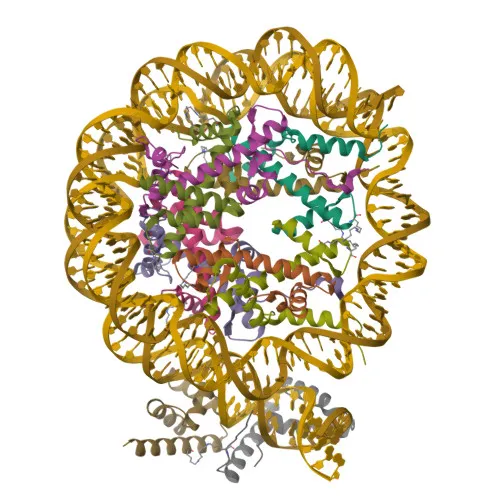
- Histone H3 is a core component of the nucleosome, which wraps and compacts DNA into chromatin, thereby limiting DNA accessibility to cellular machineries that require DNA as a template. Histones play a central role in transcription regulation, DNA repair, DNA replication, and chromosomal stability. DNA accessibility is dynamically regulated by a complex set of post-translational modifications (PTMs), collectively known as the histone code, and by nucleosome remodeling. Related references: UniProt Q16695, UniProt P68431
- Histone H3 is primarily localized to the nucleus and is a key structural component of chromosomes. It is found in both euchromatin and heterochromatin, where its PTM patterns distinguish these states. Related references: UniProt Q16695, UniProt P68431
- Two major isoforms are represented by the SWISS accessions Q16695 (testis-specific histone H3.1t) and P68431 (replication-dependent histone H3.1), which is widely expressed. The testis-specific variant is expressed exclusively in testicular cells. Related references: UniProt Q16695
- Histone H3 undergoes a wide array of post-translational modifications, including acetylation, methylation, phosphorylation, ubiquitination, and ADP-ribosylation. Acetylation of specific lysine residues is a critical epigenetic mark associated with transcriptional activation. For example, acetylation at lysine 19 (K19ac) has been identified by multiple studies (PMID:19608861). While the UniProt knowledgebase does not currently annotate acetylation at K27, this modification is a well-characterized mark in the literature. The acetyl-lysine mark is dynamically regulated by histone acetyltransferases (HATs) and deacetylases (HDACs), influencing chromatin structure and gene expression. Related references: PMID:19608861, UniProt Q16695
Experimental Guidance and Technical Tips
- The immunogen is a synthetic acetylated peptide around K27, indicating antibody specificity for the acetylated state. Verify specificity using non-acetylated peptide competition or enzymatic deacetylation controls.
- This antibody has been validated for a broad range of applications: Western Blot (WB), Dot Blot (DB), Immunohistochemistry-Paraffin (IHC-P), Immunofluorescence/Immunocytochemistry (IF/ICC), ELISA, Chromatin Immunoprecipitation (ChIP), and ChIP-seq. For ChIP applications, consider optimization of crosslinking and antibody concentration for your specific chromatin context.
- Predicted molecular weight is 15 kDa. Use high-percentage SDS-PAGE gels (e.g., 15%) or gradient gels for optimal resolution of low-molecular-weight proteins.
- Cross-reactivity is predicted for Human, Mouse, Rat, and other species (Wide Range Predicted) based on histone H3 sequence conservation. Validate in your target species if not specifically listed.
- Histone extraction protocols (acid extraction or high-salt) may improve signal in WB by enriching for nuclear proteins.
- For quantitative applications, consider using recombinant histone H3 with and without K27 acetylation as standards.
CamelBio: Your One-Stop Sourcing Bridge
CamelBio partners with diagnostic manufacturers, biotech laboratories, and research institutes to deliver a reliable supply of high-quality IVD raw materials, from site-specific histone modification antibodies to recombinant proteins and ancillary reagents. Our one-stop sourcing model streamlines your procurement process for validated antibody pairs, bulk monoclonal/polyclonal antibodies, and rare-target reagents, helping you accelerate epigenetic assay development and diagnostic innovation. Reach out to explore how CamelBio can support your next project from concept to clinic.
REQUEST A QUOTE
Our professional team will reply to you within one business day. Please feel free to contact us!