Acetylated Antibodies
Acetyl-Histone H3 (K23) Rabbit Monoclonal Antibody (Q16695 / P68431) for WB, IF/ICC, ELISA
Item Number : CM0000184
Price varies based on specs and customizations
- Application
- WB, IF/ICC, ELISA
- Cross Reactivity
- Human, Mouse, Rat, Other (Wide Range Predicted)
- Protein Weight
- 16kDa

Shipping:
Contact us to get shipping details Enjoy On-time Dispatch Guarantee.
Why Choose Us
Easy ordering process, quality products, and dedicated support for your business success.
Core Product Specifications and Parameters
| Parameter | Value |
|---|---|
| Product Name | Acetyl-Histone H3-K23 Rabbit mAb |
| Remarks/Alias | H3/A; H3C2; H3C3; H3C4; H3C6; H3C7; H3C8; H3FA; H3C10; H3C11; H3C12; HIST1H3A; H3C1; Acetyl-Histone H3-K23 |
| Species | Human |
| GeneID (human) | 8290/8350 |
| GeneID | 8290/8350 |
| Immunogen | Synthetic Peptide | A synthetic acetylated peptide around K23 of human Histone H3 (P68431). |
| Source | Rabbit |
| Category | Acetylated Antibodies |
| Application | WB, IF/ICC, ELISA |
| Cross Reactivity | Human, Mouse, Rat, Other (Wide Range Predicted) |
| SWISS | Q16695/P68431 |
| Protein Weight | 16kDa |
| Shipping | Ice bag |
Biological Background: Histone H3 Function and Localization
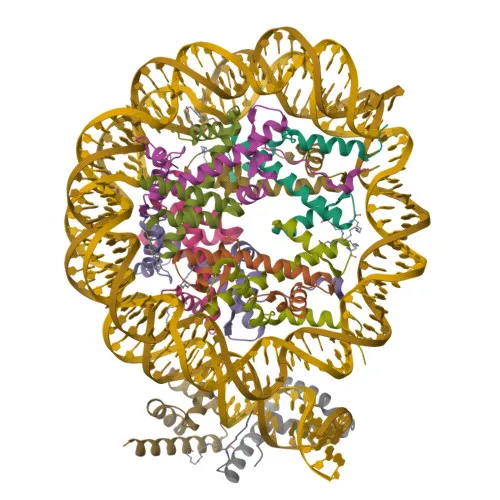
Chromatin Architecture and Genome Stability: Histone H3 is a core component of the nucleosome, fundamental for packaging DNA into chromatin. It plays pivotal roles in transcription regulation, DNA repair, DNA replication, and maintaining chromosomal stability. The dynamic remodeling of nucleosomes governs DNA accessibility to transcriptional machinery and other factors. Related references: UniProt Q16695/P68431
Nuclear and Chromosomal Localization: Histone H3 resides predominantly in the nucleus and associates tightly with chromosomes throughout the cell cycle, underpinning its structural and regulatory functions. Related references: UniProt Q16695/P68431
Isoform Diversity: The human genome encodes multiple histone H3 variants. The SWISS identifiers Q16695 (H3.1t) and P68431 (canonical H3.1) highlight tissue-specific and ubiquitously expressed isoforms, respectively. H3.1t is specifically expressed in testicular cells, while H3.1 is widely present. Related references: UniProt Q16695/P68431
Post-Translational Modifications (PTMs): Histone H3 is subject to a vast array of PTMs, including acetylation, methylation, phosphorylation, and citrullination, which collectively form the “histone code.” Acetylation at lysine 23 (H3K23ac) is a specific modification that modulates chromatin structure and gene expression, similar to other well-characterized acetylation sites such as K19 and K24. Related references: PMID:19608861
Experimental Guidance and Technical Tips
- Specificity Verification: Since the immunogen is an acetylated peptide around K23, the antibody is expected to recognize acetylated histone H3 at K23 (H3K23ac). Include appropriate controls, such as non-acetylated peptide blocking or treatment with deacetylase inhibitors, to confirm specificity.
- Sample Preparation: For Western blotting, histone-enriched lysates (e.g., acid-extracted histones) often yield optimal signals. Consider testing different extraction methods to evaluate detection efficiency in your specific model system.
- Cross-Reactivity: The supplier notes wide predicted cross-reactivity (Human, Mouse, Rat, Other), but independent validation in your target species and sample type is recommended.
- ELISA Setup: When developing ELISA assays, use the acetylated H3K23 peptide as a standard or positive control. Pair with a pan-histone H3 capture antibody for sandwich ELISA formats if desired.
- Immunofluorescence (IF/ICC): Optimize fixation and permeabilization steps to maintain epitope accessibility. Co-staining with a total histone H3 antibody can help confirm localization and staining specificity.
- General Note: All suggested protocols are starting points; empirical optimization is essential to achieve the best performance in your experimental context.
CamelBio: Your One-Stop Sourcing Bridge
CamelBio provides diagnostic manufacturers, laboratories, and research institutes with a comprehensive, one-stop approach to IVD raw-material procurement and development support. For epigenetics and chromatin biology, including the detection of histone H3 acetylation at K23, we offer access to a broad portfolio of validated antibody clones, optimized monoclonal and polyclonal antibodies, and bulk ancillary reagents. Whether you need ready-to-use antibody pairs, custom formulation, or assistance sourcing rare targets, our team streamlines your path from concept to clinic with reliable, scalable supply solutions.
REQUEST A QUOTE
Our professional team will reply to you within one business day. Please feel free to contact us!